- Super long battery life
- Lovely, big display
- Readiness Score is neat
- Readiness Score could be more actionable
- Expensive
- Too big for some wrists
On the face of it, the Apple Watch Ultra 4 is a “more is more” type upgrade. Bigger battery, extra sensors, and a whole bunch of AI. But it also feels like Apple is on the cusp of something bigger for its wearable family. Over the course of 11 years, Apple Watches have gone from cruel taskmasters insisting you hit your activity goals every day, to a more flexible, kinder approach. In 2024, Apple let you customised your goals on a per day basis, and even added rest days.
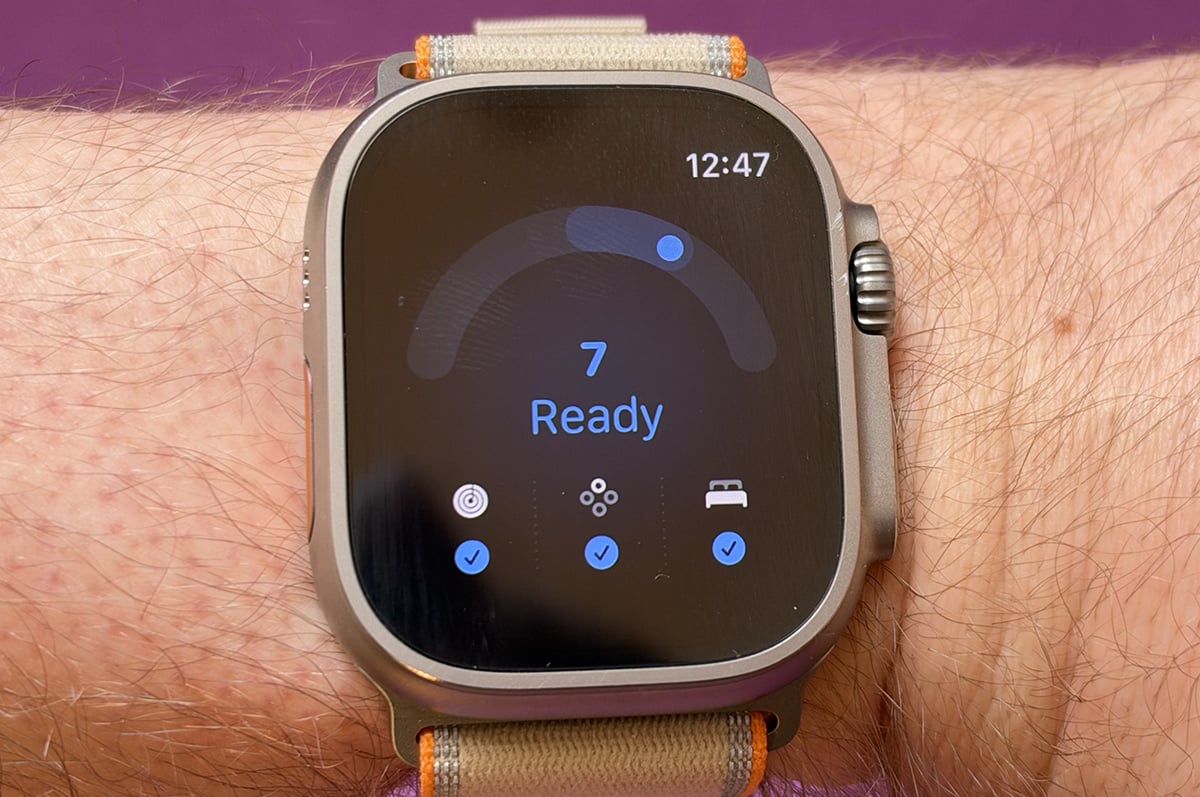
The Apple Watch Ultra 4 (and the Apple Watch Series 12) take this a step further with “Readiness Scores”. The new Apple Watches now harness all the data they’ve been collecting on you while you workout and sleep (and some bonus data courtesy of the upgraded heart rate sensor) and use it to tell you how “ready” you are to take on exercise.
The score ranges from zero to ten and it’s meant to give you an indication of whether you should rest and recover, or push it in workouts. Factors like a poor night of sleep or a heavy day of exercise can plummet your Readiness Score, as can elevated vitals, say, if you’re getting sick or you had a big night on the plonk. While the Readiness Score doesn’t take into account all factors - your Apple Watch has no way of knowing whether you’re injured, or you’re sore from a past workout - it’s a nice benchmark to have.
The Readiness Score feels like just the first step, however. At this stage, it’s just a number. While your Apple Watch might recommend taking it easy, it doesn’t actively prompt you to mark the day as a rest day, or adjust any of your activity goals for the day. To me, this would be the natural next step, and it’s easy to imagine where Apple could go from there. A couch on your wrist that’s more helpful in trying to reach fitness goals, rather than just a device with basic targets to hit.
Apple is in the process of overhauling its Health app, so it’s possible that some of these ideas could already be part of that. If not, it’s the kind of functionality I’d love to see sooner or later. After all, the Apple Watch is already collecting the data. Now it just needs actionable insights.
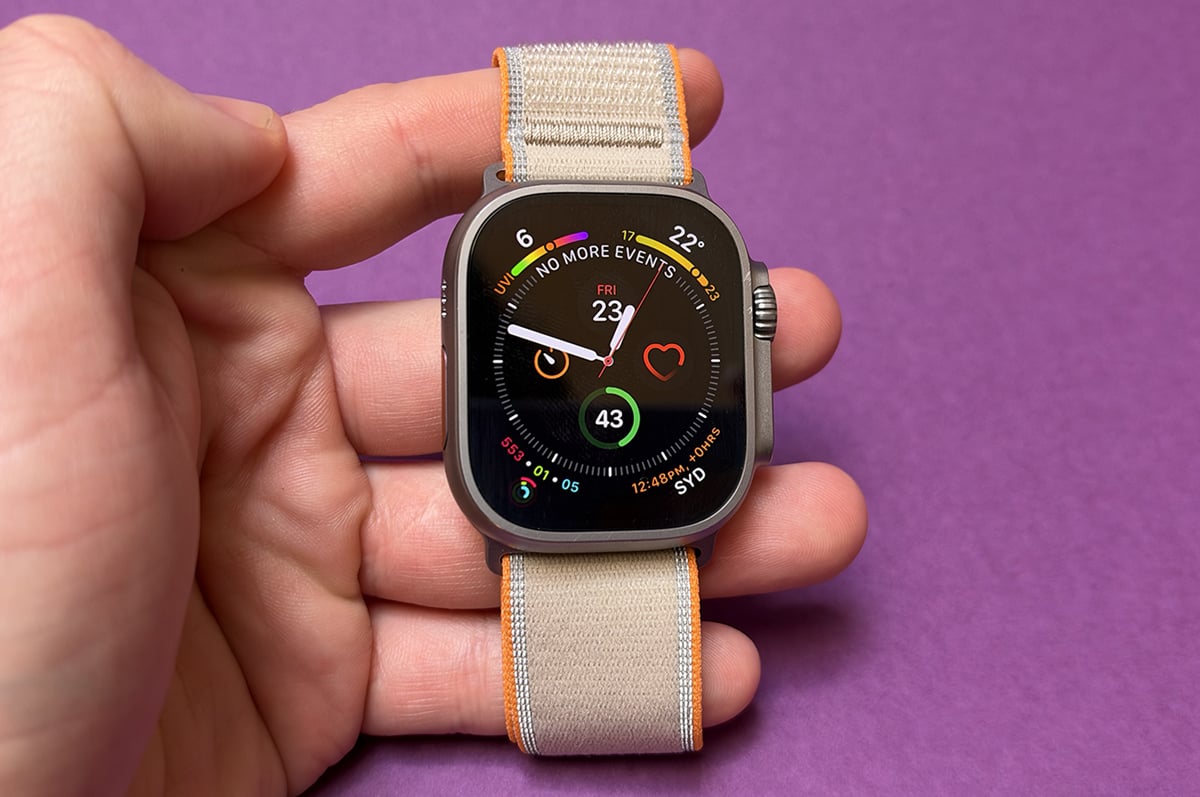
On the data front, the heart rate sensor is the key change that enables the Readiness Score. The big upgrade here is higher-frequency measurements; the Apple Watch Ultra 4 (and Series 12) now measure your heart rate every five seconds when you’re not working out. If you’ve got the right complication on your watch face, you can even see your “real time” heart rate. Apple says the more frequent readings help with the accuracy of fitness and heart data the Apple Watch collects, but even after a month of testing, I still find it novel (and occasionally troubling) to see live heart rate data on my wrist.
The Apple Watch Ultra 4 is still a tank when it comes to battery. With my usage, I could get almost 60 hours per charge, which is a step up from the 50 or so hours I was able to get on the Apple Watch Ultra 4. When I first started testing the Ultra 4, I charged to to 100% at 9pm on Sunday night, and still had 24% left 49 hours later, with three hours of workouts logged in that time. We’re not in Garmin territory, but the Ultra 4 is the Apple Watch to buy if you want to think about battery less.
The most controversial Apple Watch Ultra 4 upgrade is that it can always listen. Dubbed “Audio Intelligence”, the two features that are currently live are sound recognition and instant Shazam. Sound recognition is designed to alert users who are deaf or hard of hearing to important sounds like sirens, alarms, or baby crying, similar to how an iPhone can. Instant Shazam is exactly what it sounds like, and has been genuinely useful. I’ve found myself using it more than expected, and discovered a few new artists in the process.
Where things get iffier is the features coming soon: Live Rewind and Siri Recap. Live Rewind shows a transcript of the previous 15 seconds of conversation, while Siri Recap creates “high-level” summaries of conversations that you’ve had. These aren’t available yet, so I haven’t been able to test them, but they do seem at odds with Apple’s privacy-first rhetoric. Even if the Apple Watch isn’t storing whole conversations, like with smart glasses, there are ethical questions about recording others without their consent. Apple has already discussed some safe guards, for what it’s worth. Each feature can be turned or off on an individual basis, speakers aren’t explicitly identified, and sensitive data like financial information is excluded.
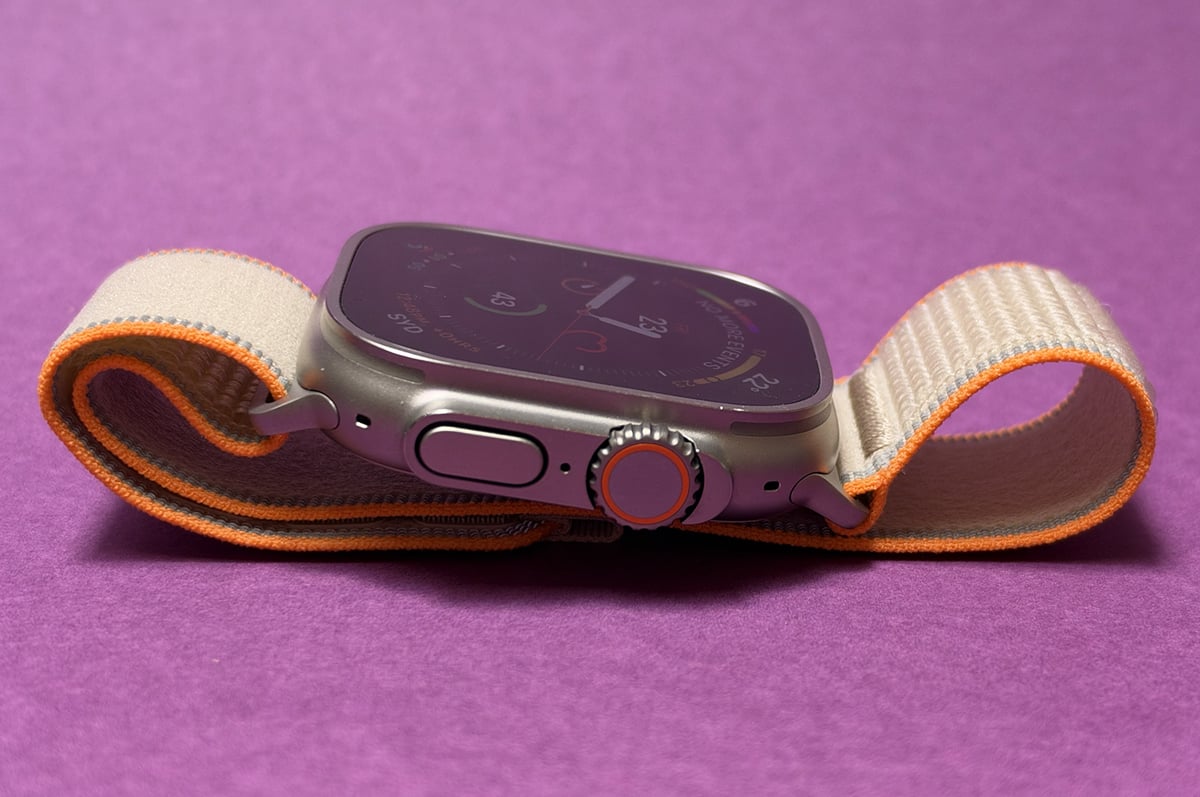
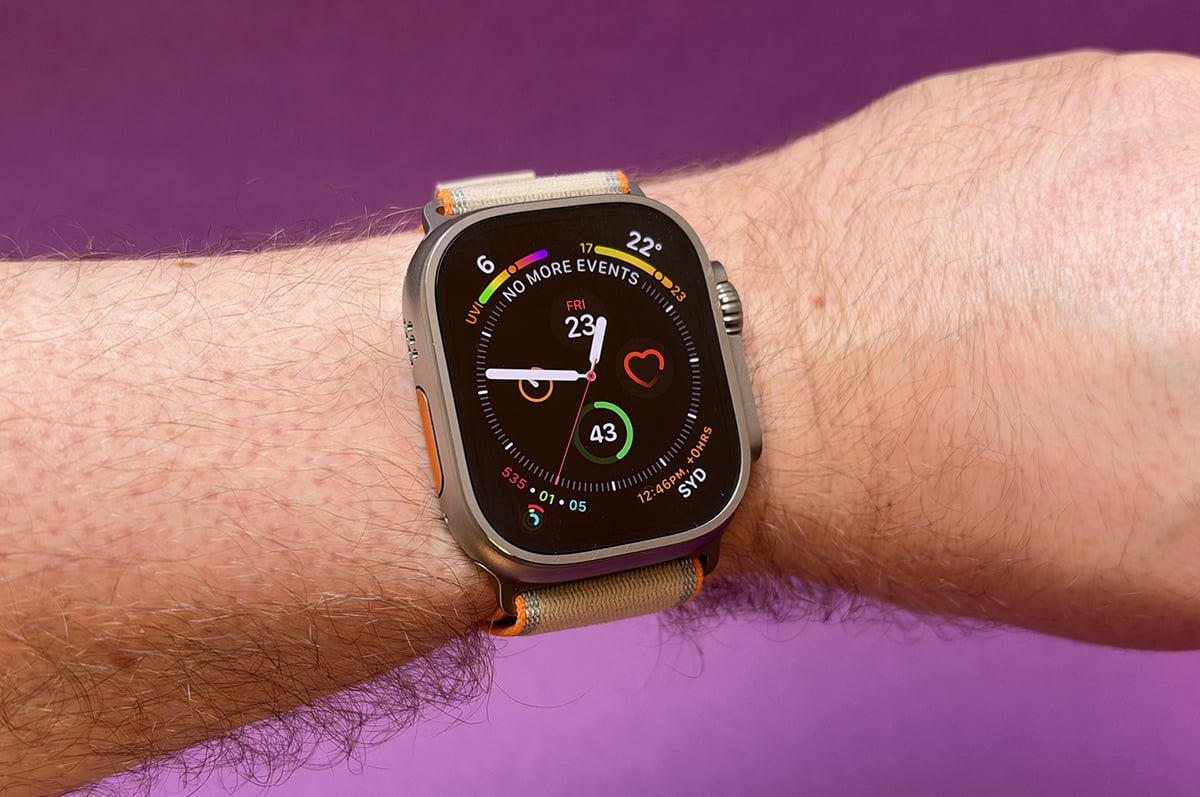
Otherwise, the Apple Watch Ultra 4 is more of the same. It’s the same old big lad from the past few generations. If you weren’t a fan of the size or the weight, there’s nothing here that will change your mind. I’ve gotten quite fond of the design and having a large display on my wrist, but it isn’t for everyone.
Apple Watch Ultra 4 - Final Thoughts
Other than battery, all of this year’s improvements aren’t exclusive to the Apple Watch Ultra 4; they’re also available in the Series 12. If you’re thinking about upgrading your Apple Watch or diving in for the first time because features like the Readiness Score appeal to you, you’ve got a choice. It comes down to if you want an Apple Watch where the battery is measured in days, and you’re happy to rock a bigger wearable and pay more as a result.
Alex Choros

Related Articles