
Starlink offers satellite internet plans for businesses that offer slightly more speed than a Residential plan and designed for use on the go. Here's what you need to know.
What is Starlink Priority internet?
Starlink is a low-Earth orbit (LEO) satellite internet that delivers high-speed internet so long as you have a clear view of the sky.
Compared to Starlink's Residential plans, its Local and Global Priority Plans feature priority network access, public IPs (note that this isn't a static IP), and are designed for fixed and in-motion use. Local and Global Priority plans don't get unlimited data, however, and require an upfront hardware purchase and are more expensive than Starlink's Residential plans.
Starlink Priority plans
Starlink currently offers Priority plans in two categories: Local Priority and Global Priority.
Here's a quick overview of their features:
| Feature | Local Priority | Global Priority |
|---|---|---|
| Range | Single country in-land use with up to 60 consecutive days within your region | Global land, territorial and global waters |
| Network Priority | Yes | Yes |
| Public IP and Dashboard | Yes | Yes |
| Service Level Agreement | Yes, 99.9% Network Availability | Yes, 99.9% Network Availability |
| Data packages | 50GB, 500GB, 1000GB and 2000GB | 50GB, 500GB, 1000GB and 2000GB |
| Additional Data Blocks | Yes, from $38 | Yes, from $160 |
| Plans starting from | $108 per month | $395 per month |
| Hardware | Standard and Performance Kits (from $549) | Performance Kits ($3,599) |
| Terminals per service line | 1 | 2 |
Local Priority plans start at $108 per month, while Global Priority plans start at $395 per month.
One of the key differences between a standard Starlink plan and its Priority plans is Priority Data. If a lot of people are connecting to the same satellites, the satellites will allocate their signal to users with Priority Data first. While Residential and Roam plan users should see their speeds slow down, Priority users shouldn't.
All of Starlink's Priority plans offer download speeds between 135Mbps and 310Mbps with upload speeds between 20Mbps and 44Mbps. Priority plans have a monthly allowance; once you use it up for that billing cycle, your speeds are slowed right down to a barely usable 1Mbps (down) and 0.5Mbps (up). You can purchase additional data blocks of 50GB and 500GB as needed.
Here's a look at Starlink's Local and Global Priority plans:
|
Starlink

Starlink Local Priority 50GB
$84/mth
+ $549 Upfront
Min. cost $633
|
|
Starlink
Starlink Local Priority 500GB
$236/mth
+ $549 Upfront
Min. cost $785
|
|
Starlink
Starlink Local Priority 1TB
$426/mth
+ $549 Upfront
Min. cost $975
|
|
Starlink
Starlink Local Priority 2TB
$806/mth
+ $549 Upfront
Min. cost $1,355
|
|
Starlink
Starlink Global Priority 50GB
$395/mth
+ $3,689 Upfront
Min. cost $4,084
|
|
Starlink
Starlink Global Priority 500GB
$1,035/mth
+ $3,689 Upfront
Min. cost $4,724
|
|
Starlink
Starlink Global Priority 1TB
$1,835/mth
+ $3,689 Upfront
Min. cost $5,524
|
|
Starlink
Starlink Global Priority 2TB
$3,435/mth
+ $3,689 Upfront
Min. cost $7,124
|
What equipment do I need for Starlink Priority plans?
The exact equipment setup varies depending on whether you're after a Local Priority plan or a Global one. Local Priority customers can get started with a Standard Kit (for $549, inclusive of shipping). That provides both the Standard Dish and a router. You can upgrade to a Performance Kit, which costs $3,599 (plus $85 shipping), although a Performance Kit doesn't come with a router. The Starlink Mini Router, sold separately, costs $150.
Customers who want a Global Priority plan will need to select the Performance Kit option.
Is a Starlink Priority plan worth it?
Whether a Starlink Priority plan is worth it depends on if you're a "power user" or a business with different needs.
At the time of writing, unless you're a business that has a need for priority support and data, it's pretty hard to recommend a Priority plan to even most power users. Starlink's Residential Max plan has similar speed caps to a Local Priority plan with no limit on data.
While the 50GB Local Priority plan can be cheaper per month, that's a very limited allowance. If you use more than this and need to pay for extra blocks, the cost will start to add up pretty quickly.
Priority Data's utility also relies on you actually needing to jump the queue ahead of others in a given area. You could start with a Residential plan and see how your connection performs before making the decision.
Starlink has plans to offer gigabit speeds sometime this year, and you'll need a Performance Kit to access those speeds. This might make the decision easier for some people, although the cost might be hard to justify given the Performance Kit is over $3,000 upfront.
FAQs
What is a Terminal Access Charge?
Starlink applies a monthly Terminal Access Charge (TAC) on its Local and Global Priority plans. The exact fee varies by region. The TAC provides customers with network access and download speeds of 1Mbps and upload speeds of 0.5Mbps. The TAC is baked into the cost of a Starlink Priority plan, with the remaining cost being made up of whatever Priority data package you purchase.
What is in-motion use?
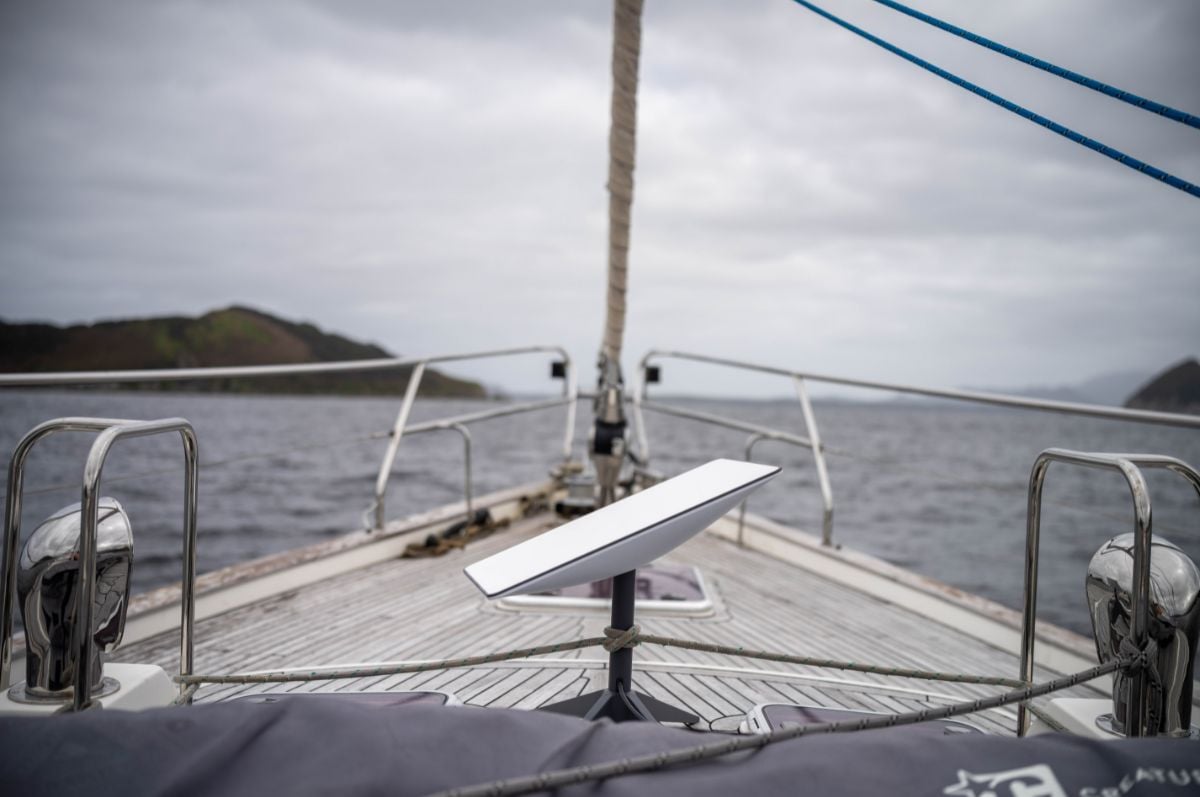
In-motion use refers to using your Starlink plan while underway, at up to 160km/h. Local and Global Priority plans are able to be used in-motion with the right equipment. Starlink doesn't recommend using actuated dishes as they have safety risks.
How are Starlink typical evening speeds calculated?
Starlink's typical evening speeds are calculated on a global level and represent between the 20th and 80th percentile of user data and can vary depending on where in the world you are.
Does Starlink offer enterprise plans?
Yes, if you're a larger business Starlink does serve enterprise customers. For large orders, you should contact Starlink for a sales consultation.
Dylan Crismale
Digital Content Editor

Find a better internet plan
Thousands of internet plans unpacked. All the facts. No surprises.

Related Articles


![[Hand-Picked] Best internet providers in Australia](https://r3.whistleout.com.au/public/images/articles/2026/07/man-and-woman-with-laptop-on-green-couch.jpg?w=160&h=160&usm=20&usmrad=0.8&fit=crop "[Hand-Picked] Best internet providers in Australia")
Internet Plans by State
- Internet Plans in ACT
- Internet Plans in NSW
- Internet Plans in NT
- Internet Plans in QLD
- Internet Plans in SA
- Internet Plans in TAS
- Internet Plans in VIC
- Internet Plans in WA


