
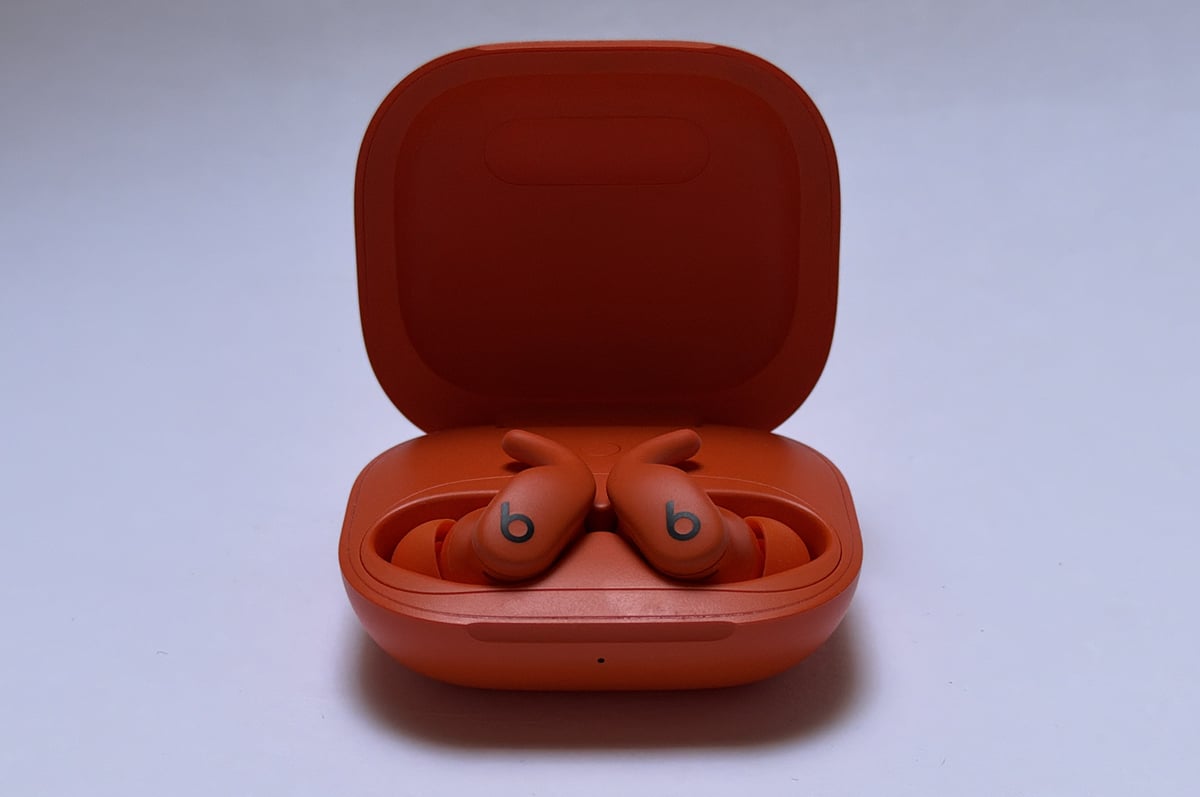
- Secure and comfortable fit
- Smaller case with no battery life downgrade
- No sound quality or noise cancellation improvements
- Slight price rise
The Powerbeats Fit might have a new name, but they're not exactly new headphones. Beats' latest exercise earbuds are a light refresh of 2022's Beats Fit Pro where all the changes are largely design-related. The earbuds themselves are comfier and the case is smaller, but otherwise, the Powerbeats Fit are identical to the Beats Fit Pro in pretty much every other way.
This isn't necessarily a bad thing. Three years ago, I loved the Beats Fit Pro, but three years is a long time in consumer tech. Given the advancements Apple has made in its broader earbud portfolio, it’s hard to be as enthusiastic about the Powerbeats Fit.
Admittedly, the upgrades fix two of my issues with the previous generation model: the Powerbeats Fit have a more flexible wing-tip and have a much smaller battery case.
On top of being more flexible, the wing tip is also softer. The fact it's jutting into your ear isn't as noticeable. My partner found the Beats Fit Pro too rigid for her smaller ears, but finds the Powerbeat Fit a lot easier to wear. For me, the redesign makes the Powerbeats Fit more comfortable for extended use. At times, I've forgotten I'm wearing them. The softer build hasn't come at the cost of stability or security, and I've had no issues with the Powerbeats Fit coming loose during intense workouts.
One design-related element that hasn't changed is on-ear controls. The Powebeats Fit have nice clicky buttons that have a bit more functionality than you might expect from just a single button on each bud. A single press can be used to pause or resume your music, while a long press can either cycle through noise-cancelling modes or adjust volume.
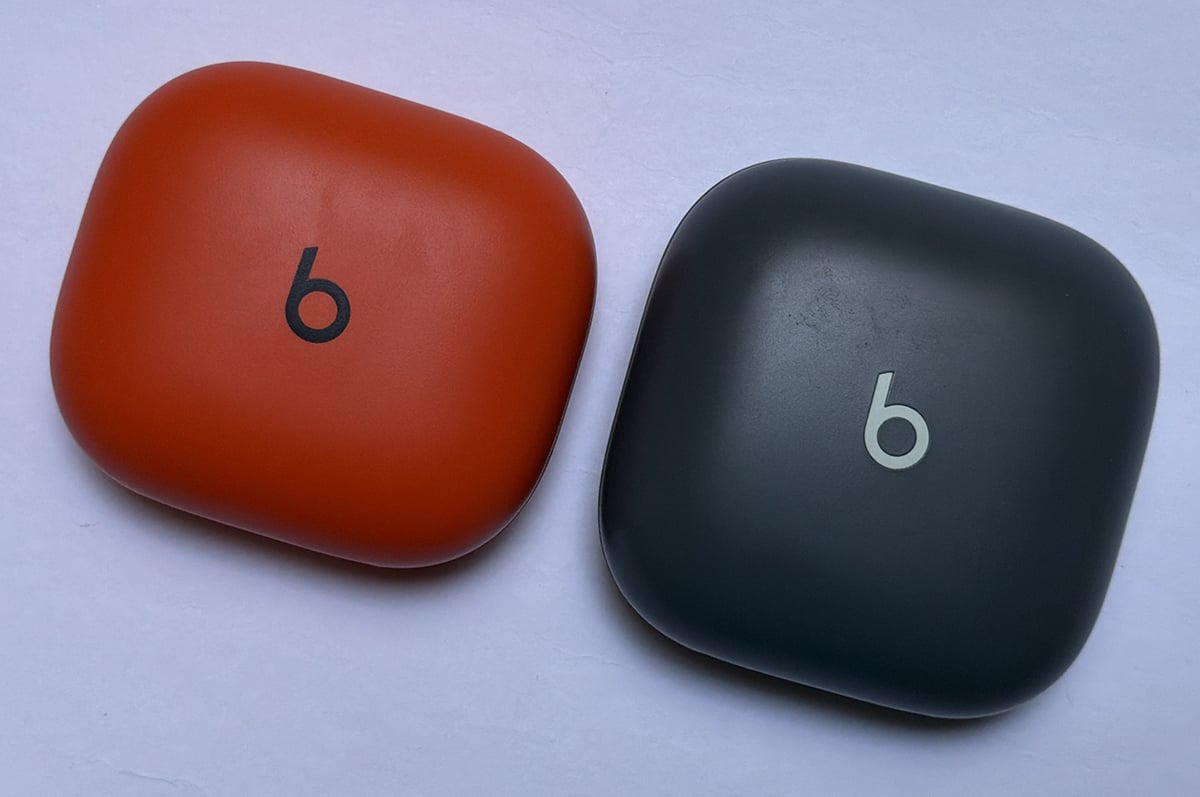
When it comes to the case, it's been shrunk by 17% and now has an IPX4 splash resistance rating, just like the earbuds. In practice, this means the Powerbeats Fit case is more in line with (albeit still a little larger than) the AirPods Pro 3 case. It's far less noticeable in your pocket. Despite the smaller case, you still get a total of 24 hours of battery life with noise cancelling on, with up to six hours of playback on the buds.
While nothing much has changed in terms of sound quality and noise cancellation, I wouldn't call it bad by means. The speed of change just means what was great in 2022 is now merely good. The Powerbeats Fit still use Apple's H1 chip, which is responsible for audio rendering and contributes to noise cancellation quality.
The majority of other earbuds Apple has launched in the last few years use the newer H2 chip, and there's a clear difference in sound quality and noise cancellation when you listen to the devices side by side. Given Apple is using the H2 in devices as cheap as the $219 AirPods 4, it's odd that the Powerbeats Fit have a much older chip.
Powerbeats Fit - Final Thoughts

The Powerbeats Fit are hard to place. They fix two of the biggest issues with their predecessor, but feature no improvements to audio or noise-cancelling quality. With a cheaper price tag, that kind of decision might make sense, but the Powerbeats Fit retail for $329. That's a $30 increase over what the Beats Fit Pro launched at in 2022. And notably, you can still buy the Beats Fit Pro for around $269.
It's hard to argue with the comfort and stability the Powerbeats Fit offer if you're after workout earbuds. For some, this alone might make the right choice. For me, I would have liked a bigger upgrade. With how competitive the wireless earbud space is, the Powerbeats Fit don't deliver enough bang for buck.
Alex Choros

Related Articles


