

- Powerful photography hardware
- Unique camera-inspired modes
- Hideously expensive
- Haptics may be a bit gimmicky
Xiaomi’s latest flagship is a smartphone with the soul of a classic Leica camera. We got the chance to go hands-on with the Chinese manufacturer’s new Leica Leitzphone powered by Xiaomi ahead of this year’s Mobile World Congress in Barcelona and came away pretty impressed with it.
Even if you are paying a fairly sizable premium on top of the already expensive price attached to the glitzy Xiaomi 17 Ultra smartphone, the end result feels like an experience that photography enthusiasts will be primed to appreciate.
Across both hardware and software, the new device — which is officially branded as the Leica Lietzphone (Powered by Xiaomi) — promises to fully embody the German camera brand’s pedigree in a way that previous collabs with brands like Huawei have merely evoked.
On most fronts, you’re looking at a pretty similar set of specs to the Xiaomi 17 Ultra plus a more generous 1TB of storage. On the inside, the device is powered by a Snapdragon 8 Elite processor, 16GB of RAM and a 6,330mAh battery. On the front, there’s a 6.9-inch OLED display clocked at 120Hz.
Then, on the back of the device, there’s a 50MP main camera lens, a 200MP telephoto lens and a 50MP ultrawide lens. As with the Xiaomi 17 Ultra, that middle lens is noteworthy in that it comes with a unique mechanical optical zoom setup that lets it shift between the equivalent of a 75mm and 100mm zoom lens as needed.
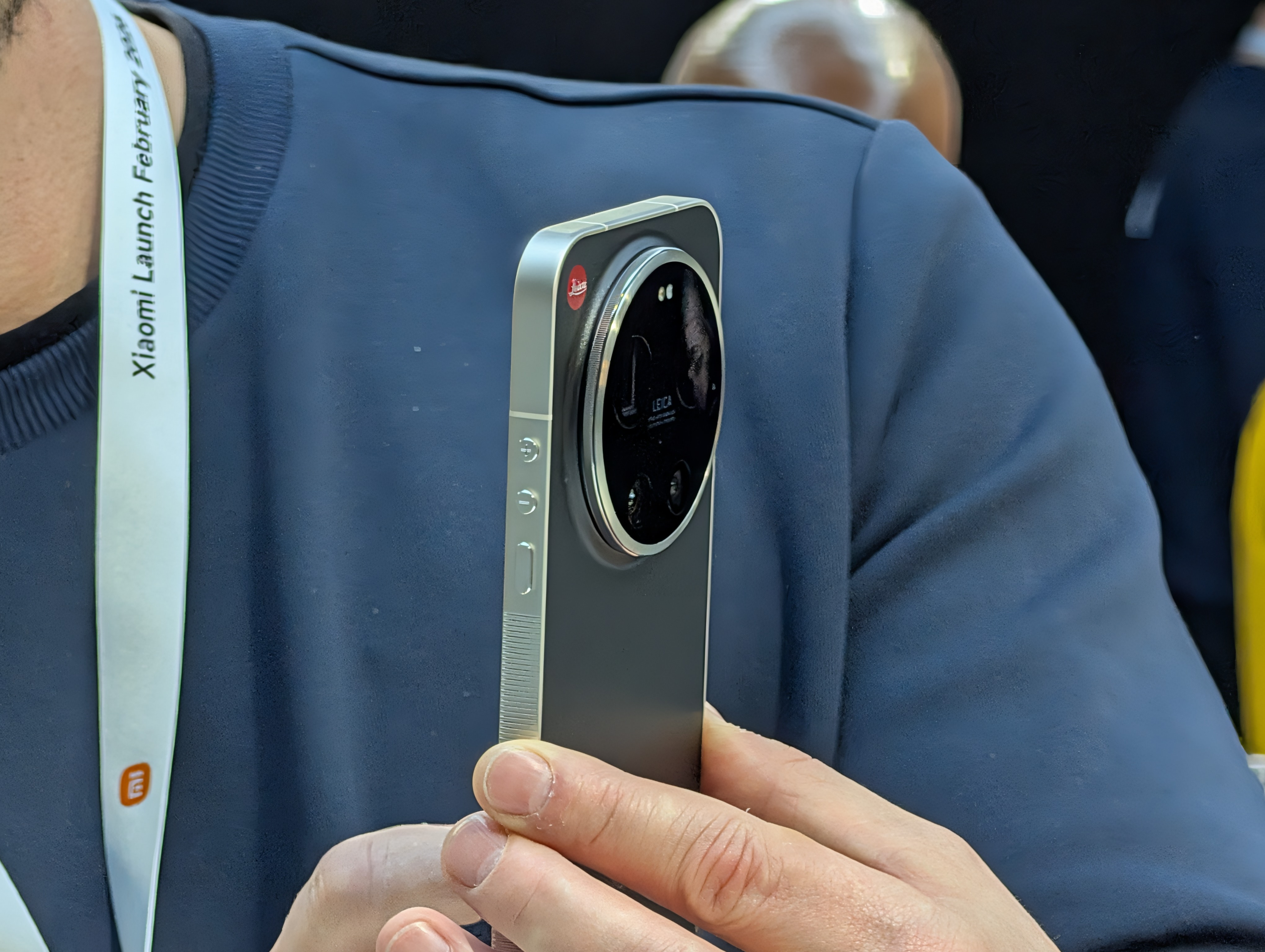
Of course, the Leica Camera Ring is the far more notable design choice here. A nifty set of capacitive sensors that sit on the edges of the camera bump, this feature provides a new and intuitive way to adjust the focus, white balance or zoom like you would with a traditional camera lens. If you liked what the iPhone’s Camera Control had to offer, this is basically the same idea pushed to a new extreme.
It’s a bit of a gimmick, but the haptics feel pleasant enough that it’s hard to be mad. It’s not quite the same as dialling in the focus with a traditional full-frame camera, but it’s a lot closer than the competition. This commitment to making smartphone photography feel more like its analog counterpart extends into the software side of things as well.
The Leica Leitzphone comes with a minimalist Android skin, as well as a set of Leica Essential camera modes that promise to help you recreate the specific image qualities of classic Leica cameras like the Leica M9 and M3. On some level, this inclusion is not all that different to the different photography styles you can find in more recent Google and Apple smartphones. However, the attention to detail helps set it apart.
Given how heavily other smartphone brands like Google and Samsung are playing up the role of AI in the future of smartphone photography, Xiaomi’s emphasis on a more traditional approach makes for a pretty sharp counterpart — and, even based on my short time with the device, I doubt I’ll be the only consumer with whom this more old-school pitch may resonate.
Over the past few years, computational photography techniques and generative AI have propelled smartphone cameras to new heights of fidelity. By contrast, the Leica Leitzphone powered by Xiaomi errs in the opposite direction. It’s likely to be too gaudy and expensive in the same way as its namesake is for some, but that specificity may prove to be an asset as the high-end of the smartphone market grows increasingly homogenous.
Disclosure: WhistleOut Australia's coverage of Mobile World Congress 2026 is supported by OPPO.
Fergus Halliday
Digital Content Editor

Related Articles


