

Verdict:
If it were a third cheaper, the HTC U Ultra would be a compelling alternative to the upper echelon of flagship smartphones. But at an outright price of $1,199, the HTC U Ultra struggles to go toe-to-toe with this year's cream of the crop, especially given the lack of water-resistance and the bezel heavy design.
|
Like: |
Dislike: |
|
|
|
Score: 70/100 |
Outright Cost: From $1199 |
What Is It?
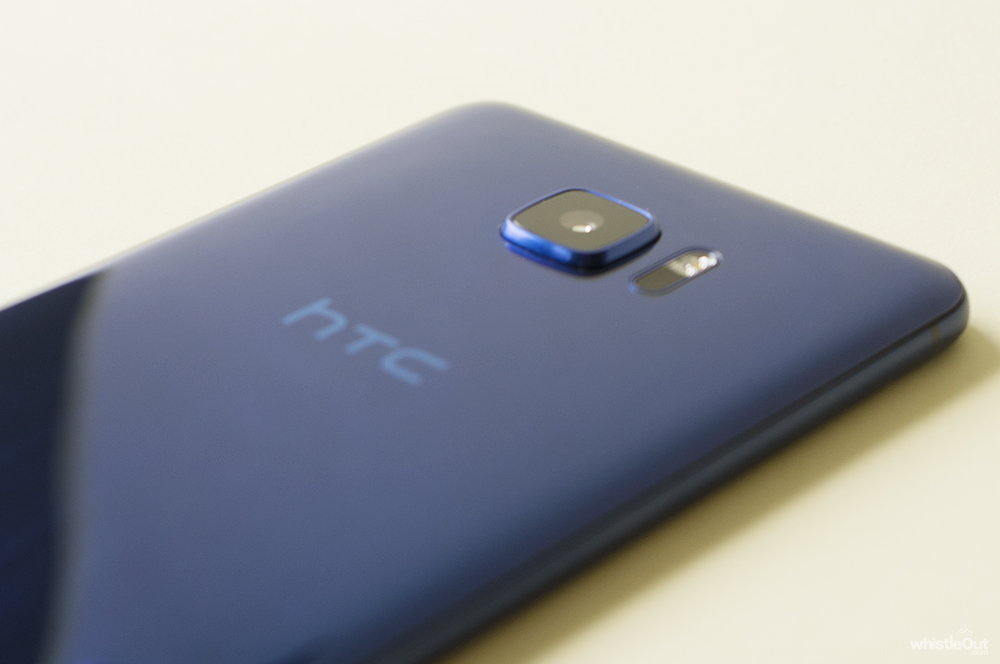
The U Ultra is HTC's flagship smartphone for 2017. Eschewing HTC's long running love for aluminium, the U Ultra is almost entirely made from glass. While glass is more prone to breakage than metal, HTC says the aluminium rim joining the front and back acts as a bumper in the case of a fall.
Additionally, the front and back are both made from Gorilla Glass 5, which is said to be able to survive 1.6 metre drops onto hard surfaces 80% of the time. There is some fine print associated with this, such as the angle the phone lands on and all that jazz, so I wouldn't take those numbers as gospel. And even in the best case scenario, 80% survivability means there's still a 20% chance of breakage.
One of the key new features is an artificial intelligence called Sense Companion. Rather than trying to build an artificial intelligence that replaces Google Now, HTC says Sense Companion is more so designed to provide suggestions based on how you use your phone and your day-to-day actions.
While Sense Companion is meant to do things like alert to you to the fact it's going to rain or provide recommendations on where to eat, I didn't really find it too helpful. Most of the time Sense Companion was asking if I'd like to speed up the phone by clearing out the RAM.
What's Good?
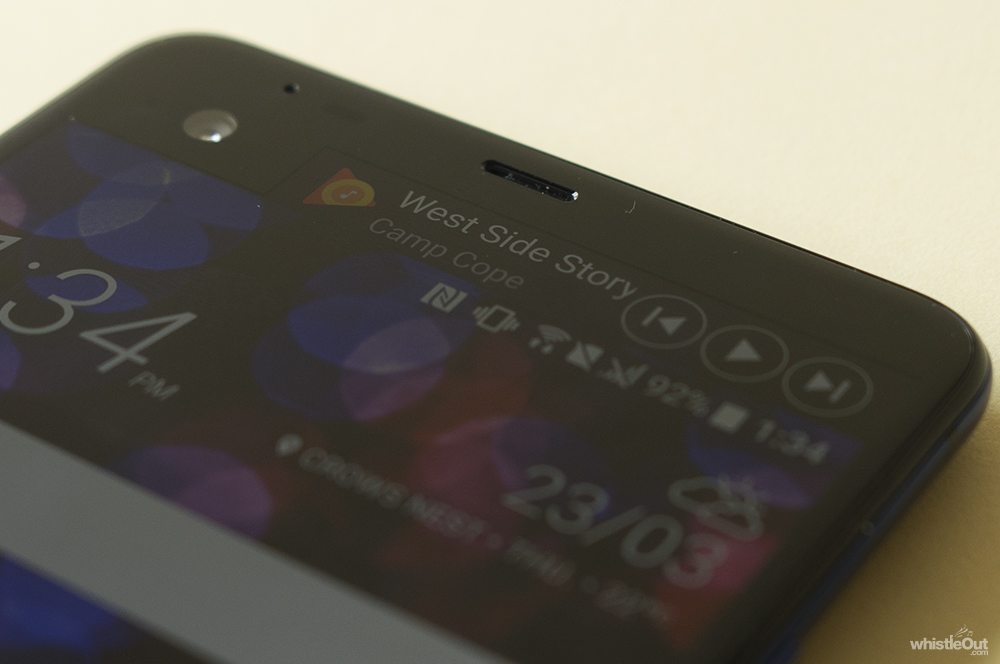
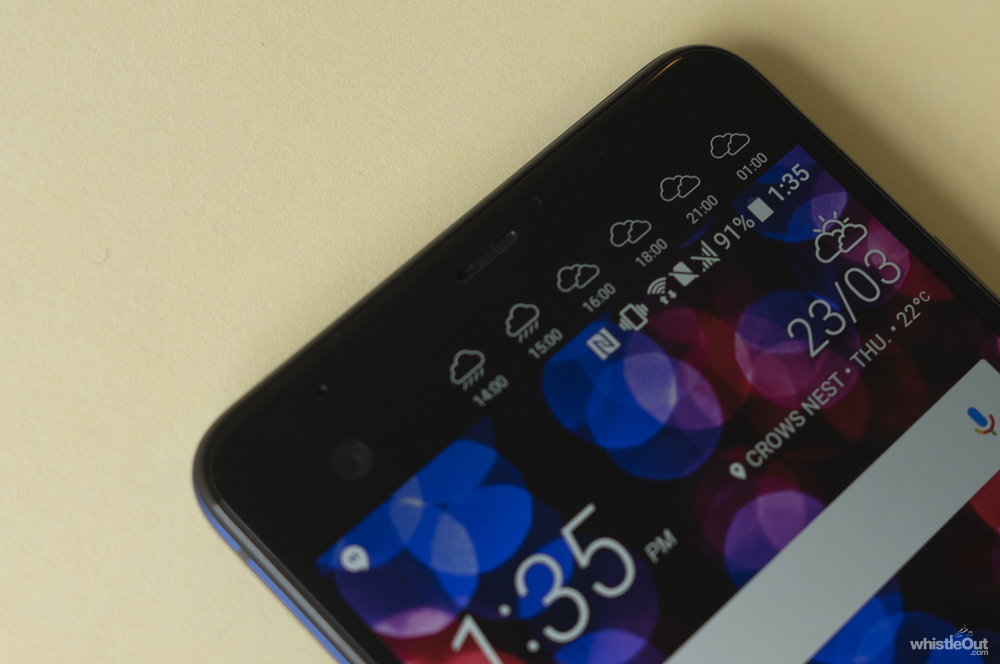
The HTC U Ultra's second screen isn't a game changing feature my any measure, but it also feels like more than just a gimmick. The option to have persistent music playback controls can be quite handy, for example. You're also able to use it for quick contacts, app shortcuts, and weather updates, and upcoming appointments. Unfortunately, very few apps can actually take advantage of it; for example, it feels like a missed opportunity to not extend camera controls to the second display. And even when it comes to media playback, Google Play Music and Spotify were the only two apps I found that can actually take advantage of the persistent controls.
While the U Ultra's second screen is a quirky headlining feature, the phone's primary 5.7-inch display is a properly good panel. It's vivid, has wide viewing angles, and is bright enough to handle the sunlight well. No complaints here.
Despite the fact the headphones bundled with the U Ultra only seem to work with the U Ultra, they sound much better than you'd expect from a pair of freebies, if a little bass heavy. And they're quite comfortable too.
The U Ultra runs a comparatively clean version of Nougat, and to date, HTC has been reasonably good at supporting its devices with software update to new versions of Android. However, at time of writing, HTC has been lagging in terms of security, with the U Ultra stuck on the January 2017 Android security update.
There's a bit of bloatware preinstalled on the U Ultra in the form of apps like Viveport (which solely exists to promote the HTC Vive) and News Republic (a news service that tends to take over the second display from time to time). Viveport you can uninstall, while News Republic is stuck on the phone. You can however "block all" notifications from News Republic, which seems to fix the problem.
While these apps certainly aren't needed, HTC hasn't doubled up on apps like browsers, photo galleries, and calendars, as many other Android manufacturers are guilty of.
The U Ultra only packs a 3,000mAh battery, which is oddly small for a phone of its stature (especially given the Quad HD display); similar-sized Android phones are now boasting capacities of 4,000mAh or so. Despite this, HTC seems to have optimised its take on Android fairly well; I was still able to get a full day of usage out of the U Ultra, with around 15 to 20% to spare at the end a day. It's not much of a buffer, but it's still a buffer.
I'm a sucker for colourful phones, so I will give HTC props for releasing the U Ultra in blue, and more importantly, bringing blue to Australia.
64GB of expandable storage is another nice plus.
What's Not So Good?
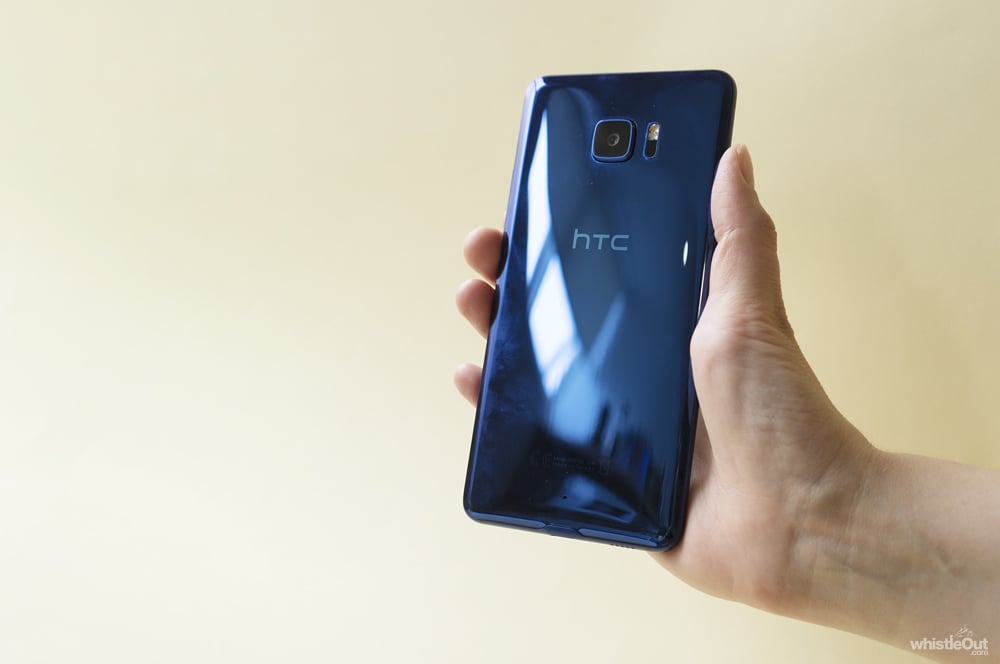
The HTC U Ultra is actually quite a striking device, at least on the rear. The glass back genuinely manages to catch and reflect light in interesting ways, but the trade off is that it will get filthy with fingerprints fast. HTC does however include a cleaning cloth in the box, and trust me, you'll need it. The U Ultra is also a little slippery, which can be concerning given the predominantly glass build.
While glass is a big step forward for HTC, other manufacturers have been using it for years, so the U Ultra doesn't exactly feel new or novel. This is compounded by a slim-yet-bulky build surrounded by a little too much bezel. Despite the fact the U Ultra has a 5.7-inch display, it's both taller and wider than the 5.9-inch Huawei Mate 9. This is going to be an even bigger bugbear over the next two or so months, with LG and Samsung both slated to launch almost bezel-less phones, and Apple rumoured to be moving in the same direction.
The lack of water-resistance is an odd omission too, given that it's very quickly become a must-have inclusion in flagship smartphones. Samsung, LG, Apple, Sony, and Huawei (to a much lesser extent) have now all jumped on the bandwagon, so HTC definitely feels a step behind.
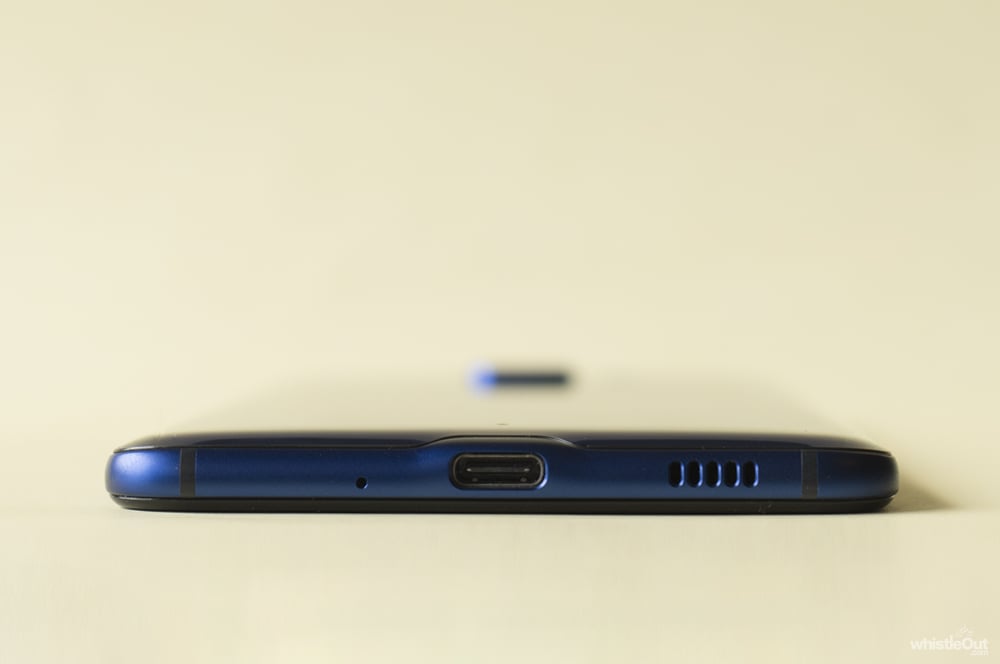
One area where HTC has caught up to Apple is courage. Much like the iPhone 7, the U Ultra doesn't have a headphone jack. However, unlike the Cupertino giant, HTC doesn't happen to own a luxury headphone manufacturer or make nifty wireless pairing technology to smooth the transition. Instead, you're expected to use the USB Type-C headphones you're given in the box, buy a USB Type-C to 3.5mm adapter (one isn't included), or buy a pair of wireless cans.
Fortunately, the bundled buds are actually quite good. However, HTC has also completely disregarded the point of USB Type-C; the included headphones don't appear to work with any other smartphone or USB Type-C device. Insert confused emoji here.
Some software smarts back up HTC's headphones (which are also presumably the reason that you're not able to use them with other devices), that automatically tune them to suit your ear and the environment (although I didn't notice a huge difference). Although in making its own headphones smarter, HTC has prevented you from using the same tech on your own buds. Similar functionality existed in last year's HTC 10 as part of a manual customisation process, which meant you could use adjust the sound of any pair of headphones, not just the ones that came in the box.

While HTC is one of the big players in virtual reality, the U Ultra doesn't support Google's Daydream VR platform, due to the use of an LCD display rather than AMOLED. The phone will still work with Google Cardboard VR content, but can't be used with the more immersive experiences that Daydream offers.
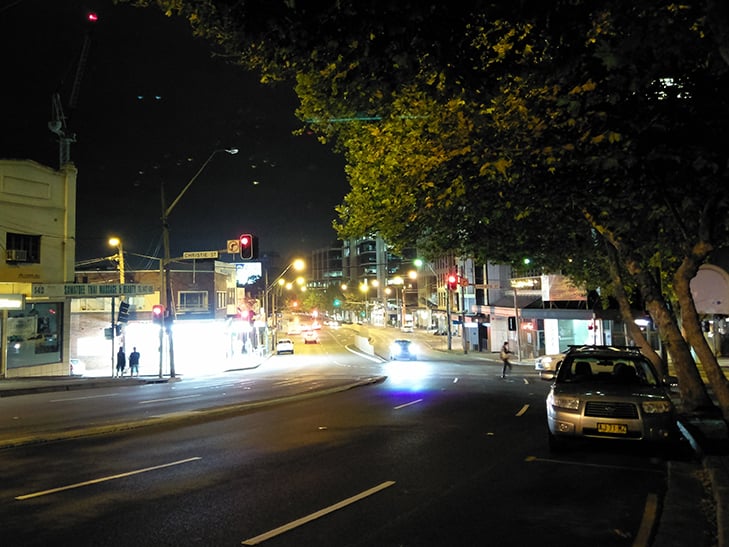
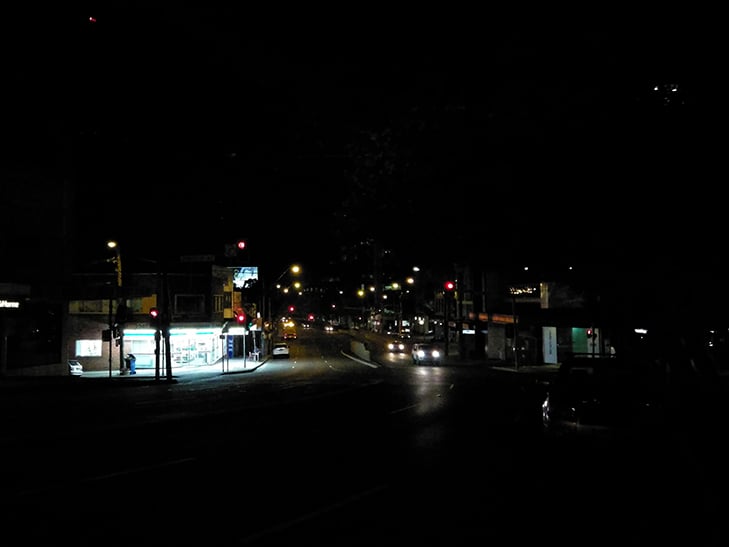
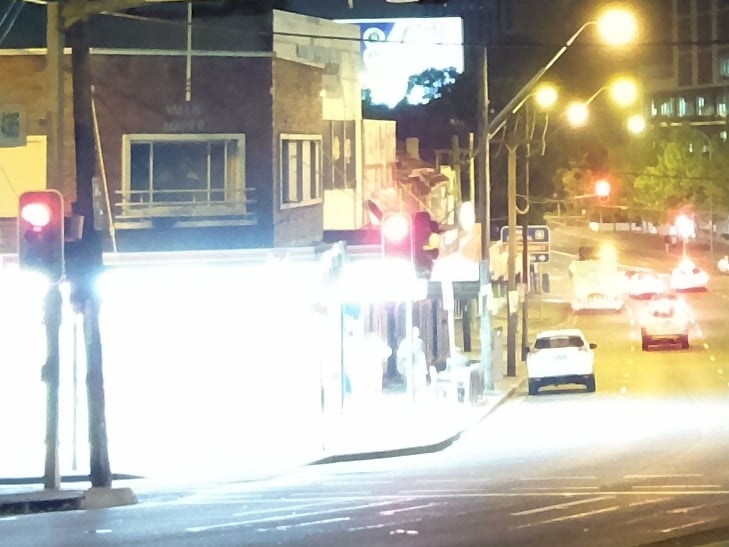
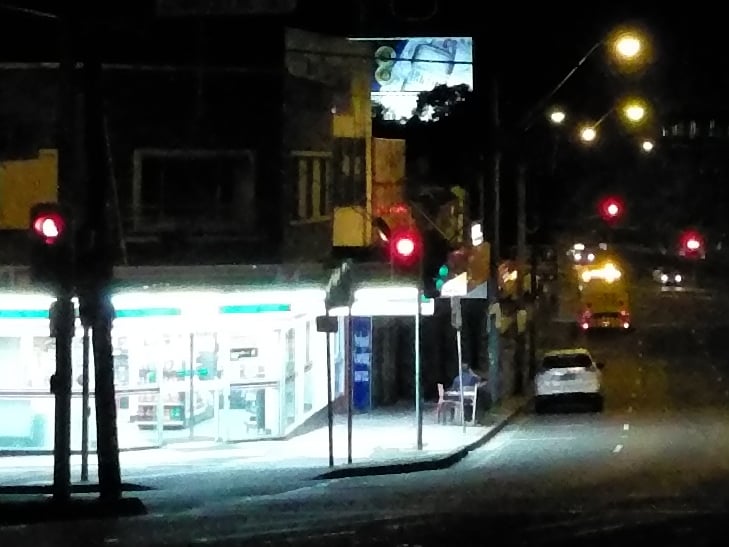
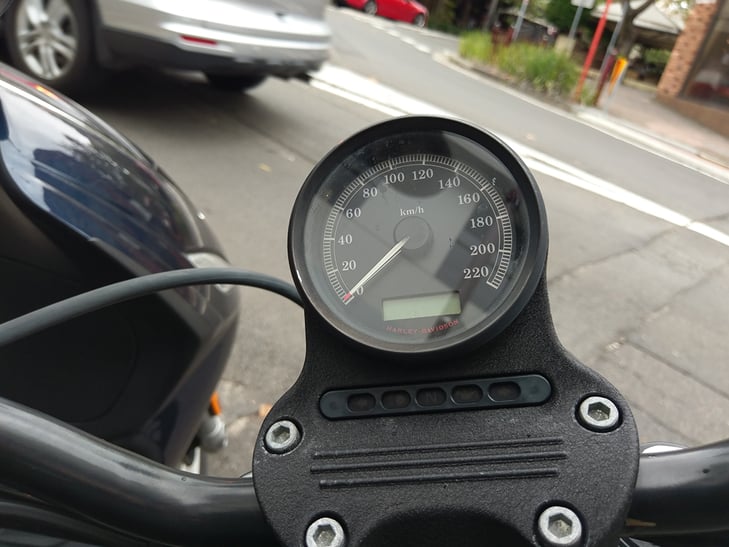
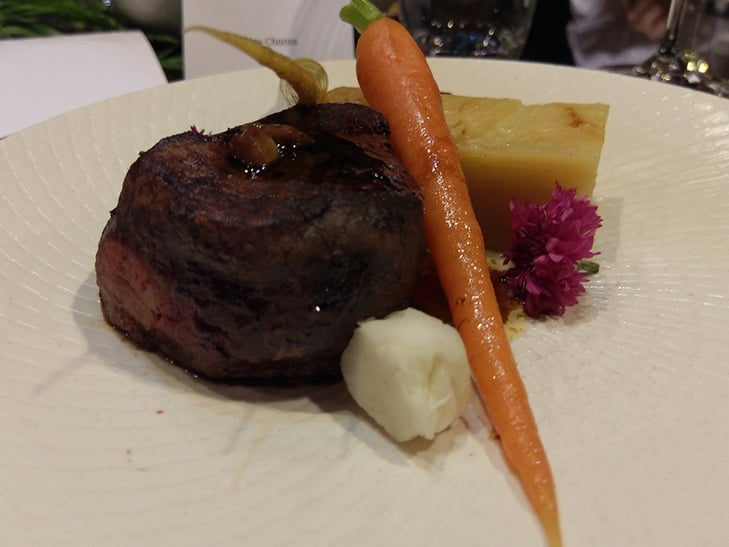
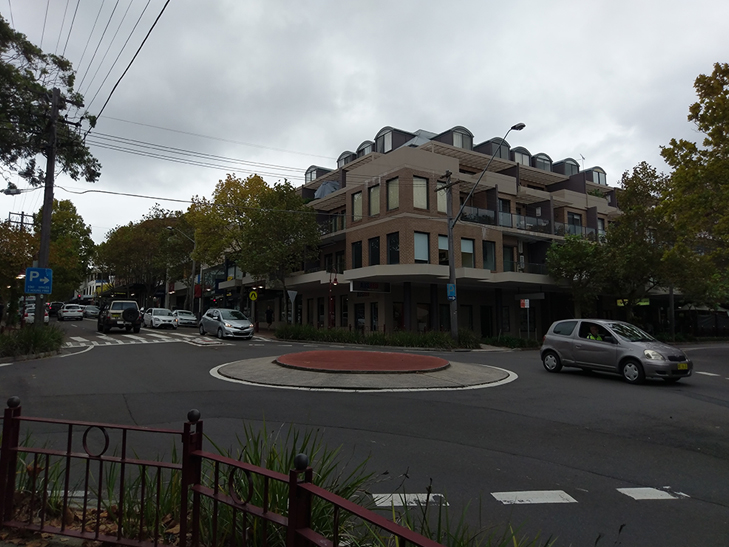
The HTC's U Ultra does a bang up job when shooting in daylight or in well-lit environments, and can capture lovely images with good depth of field. The camera is fast to open and fast to shoot, but low light performance lets another wise excellent camera down. It becomes much harder to focus your photos, grain becomes very apparent, and you're dealing with a very limited dynamic range. For example, in the below shots, shooting a street at night on auto would dramatically blow out any highlights, resulting in glowing bursts devoid of detail. Using the U Ultra's manual photography options let me rescue the highlights, but at the cost of anything not illuminated. Ideally, a camera should work to find a happy medium.
Camera Samples



Who Is It For?
Given the $1,199 price tag, the lack of water-resistance, and the soon-to-be-dated design, it's actually kind of hard to say who the U Ultra is for. At around $800 or, it would have been a great bang-for-buck device, but as it stands, the U Ultra has a few too many red flags. Sure, there's unique and useful features like the second display, but they don't provide enough value to counterbalance its short comings.
Unless you really love HTC, you're probably better off looking elsewhere. And even if you desperately want a HTC-built phone, I'd recommend going for the Google Pixel XL instead. It's got a better camera, a more elegant design, cleaner software, and gets software updates straight from Google. You lose expandable storage, but you get a better phone.
The HTC U Ultra isn't a bad phone - it's far from it. It's just not worth its asking price, especially when competition is so fierce.
What Else Can I Buy?
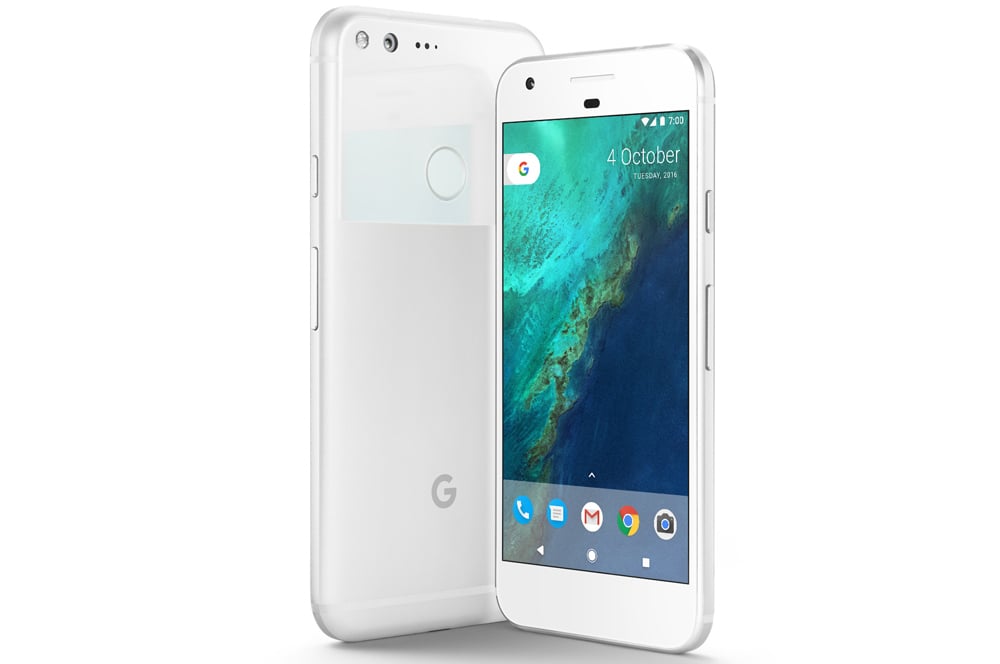
Google Pixel XL
If you're after a HTC made phone, the Google Pixel XL is the best one on the market currently. As aforementioned, it's got a better camera, a more elegant design, cleaner software, and it will get software updates straight from Google. You don't get expandable storage, and 32GB is a lower starting storage point that 64GB, but overall, it's the better buy.

Huawei Mate 9
If you're after a big screen, Huawei's Mate 9 could be up your alley. Huawei's managed to squeeze a 5.9-inch display into a smaller body than the HTC U Ultra, and it's a little cheaper too, starting at $999. There's no water-resistance either, and Huawei's take on Android does have a few quirks you'll need to get used to. The 4,000mAh battery means you can get two full days of the Mate 9, depending on how heavy your usage is.
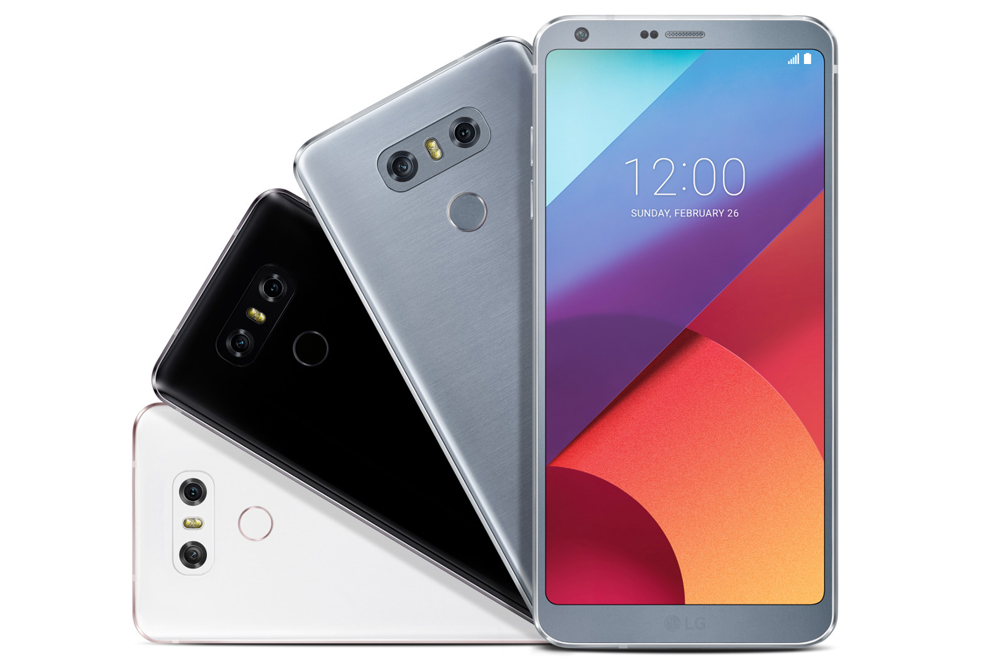
LG G6
If you want resistance without giving up a big screen or Android, the LG G6 could be a happy compromise. It's got a slick design scant on bezel, 5.7-inch display, and is rated IP68 for water-resistance.
HTC U Ultra Plans
Alex Choros

Related Articles


