
 Prefer WhistleOut in Google
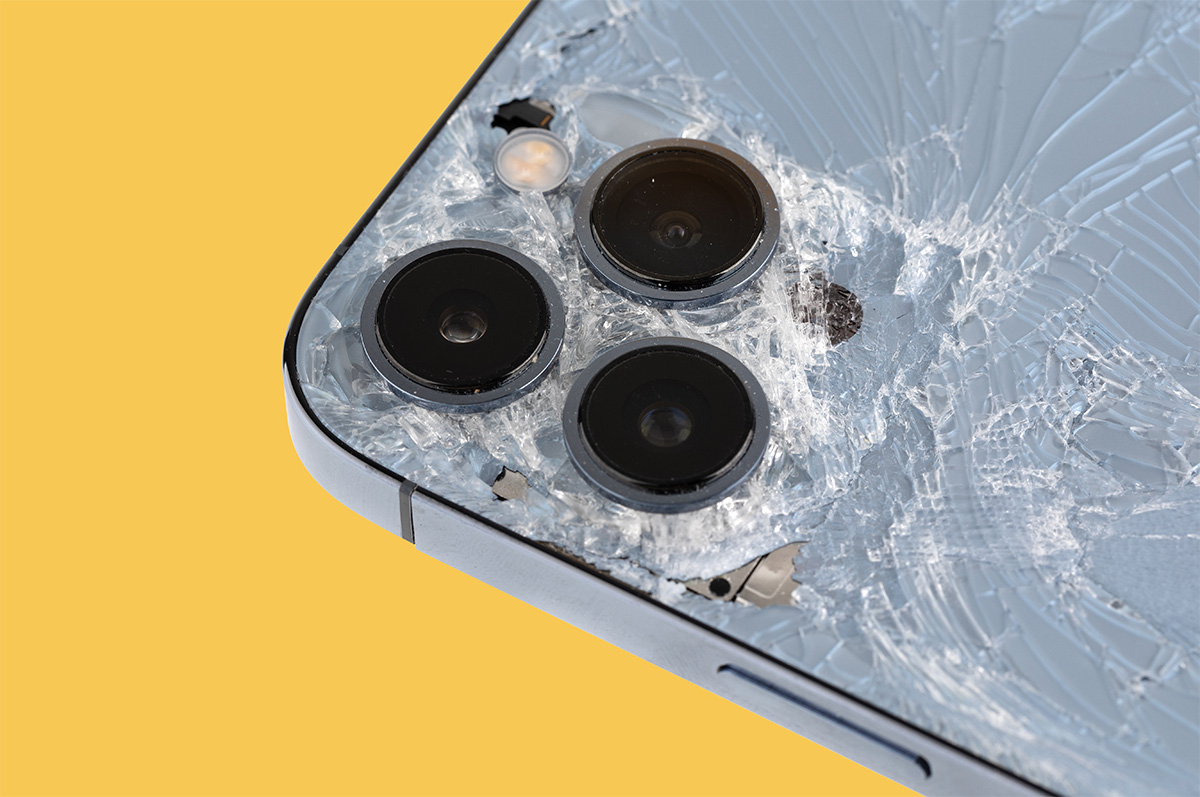
Insurance company Bupa gathered a list of the most common causes of mobile phone damage, based on its analysis of insurance claims. The number one offender comes from what could be considered a largely useless feature: Back glass damage.
Intended to add a premium feel or look to high-end handsets, the employment of glass on the back of a phone is almost entirely aesthetic. The main benefit of a full glass panel is some added scratch resistance.
To make damage even more likely, you only get the aesthetic benefits of a glass panel if you skip using a protective case. Most phones also employ a less durable type of glass on the back than on the screen.
Yet, while the perks of rear glass panels are mostly fashion-driven, any damage to a phone's exterior is much more serious, as it removes any water and dust resistance. Cracks also have a tendency to get worse if left unattended, meaning you have little choice but to fork out for a repair.
There's a small argument to be made that glass is better suited to wireless charging and mmWave 5G reception, but that's when comparing glass to all-metal frames (and mmWave 5G isn't widely available, anyway). There are other alternatives.
As Apple recently showed with the mostly-aluminium frames of the iPhone 17 Pro and Pro Max, these problems are easily solved with a small cut-out section – which is unfortunately still glass, but it's far preferable to a wholly glass panel. There's also Motorola's simpler approach of opting for plastic (often branded as vegan leather) backs. And plastic doesn't have to come across as budget – it can look and feel almost as nice as a matte glass panel, as evidenced by the Google Pixel 10a.
Despite the simple alternatives, most brands are still all-in on glass construction for their most high-end handsets. A few examples include the Samsung Galaxy S26 Ultra (from $1,799), Google Pixel 10 Pro XL (from $1,999), OPPO Find X9 Pro ($2,299), and Honor Magic 8 Pro ($1,999).
Thanks to a recent move away from glossy finishes, you mightn’t even notice a glass back plate, which seems to remove a large part of their decorative purpose. For example, the matte presentation of the Galaxy S26 Ultra means the main indicator of a glass back panel comes from being cool to the touch. It’s a similar story for the Pixel 10 Pro XL.
Fashion trends come and go, so we'll doubtless eventually see glass panels disappear, but that doesn't remove the harm they've already done. As for when this might happen, it's not uncommon for other brands to follow where Apple leads sos with some luck, we might see more mostly-aluminium phone frames in future. But there's no guarantee.
If you're interested, here’s Bupa’s full list of top causes for smartphone insurance claims:
- Back glass damage
- Display bleed / panel damage
- Touch / screen unresponsive
- Front screen crack
- Device no power
- Device bent / structural damage
- Camera damage (crack, chip, fault)
- Charging / USB port failure
- Water damage
It’s worth noting Bupa’s findings come packaged with an announcement of a new insurance subscription, so this information isn’t without potential bias. But listing rear glass panels as offender number one mightn't benefit the insurer more than many other items on the list.
Bupa's report notwithstanding, glass back panels on already-pricey tech products aren't much more than an added expense, either when they break or in an effort to stave off damage before it can occur.
If you do have a phone with a glass back, you might as well avoid expensive repair fees or a monthly insurance bill by covering your fancy phone with a case. Because, let’s be honest, at this stage no one really cares if you have the latest and greatest handset from whatever brand you prefer, so you might as well protect your investment with a one-off, comparatively small payment.
Alex Angove-Plumb
Digital Content Editor

Related Articles


