

One of the Galaxy S10's big new features is a triple rear-facing camera. Camera sensor quality tester DxOMark has given the S10+ a score of 109, matching the best of the best - the Huawei Mate 20 Pro and Huawei P20 Pro. But just how good is it Samsung's latest?
We've had a chance to play with the Galaxy S10+ over the last few days, and we've been putting the camera through the paces to find out.
The Galaxy S10+ camera configuration is made up of three lenses: a 12MP standard lens, a 12MP zoom lens, and a 16MP ultra-wide angle lens. It's a pretty versatile camera.
These first two lens are identical to what we saw in the S9 and Note 9 last year, but there have been improvements on the software side: the S10 is more adept at recognising what you're shooting, and adjusting the captured image accordingly. It's hard to tell exactly how much of an effect the "AI" has, but the S10 excels at snapping vibrant images with a high amount of dynamic range.
The all new ultra-wide angle lens is welcome addition. It's a super simple way to capture dramatic landscape shots, although they can be subject to a bit of distortion.
On first impression, we've been impressed by the Galaxy S10 camera. We'd say that the Mate 20 Pro and Pixel 3 both do a better job when it comes to low-light photography, but otherwise, it's clear that Samsung still has a top-tier shooter on its hands.
We'll have a full Galaxy S10 review soon, but for now, here are some of our favourite camera samples (with annotations underneath where appropriate).

Here's a shot from the ultra-wide angle lens. It's real dramatic, and doesn't suffer from too much fish-eye distortion around the edges.


This is a croiffle, a croissant-waffle hybrid. Science has gone too far.

This is a shot from the Galaxy S10's standard lens.

And here's the same shot from Galaxy S10's zoom lens.

Here's another ultra-wide angle shot.
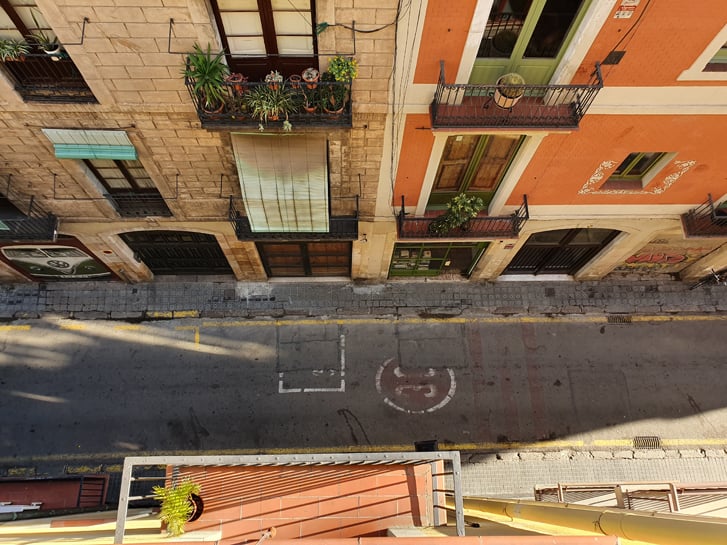

This is another ultra-wide angle shot. The fish-eye distortion is a lot more evident here - especially on the left and right buildings.

The dynamic range on this one is just lovely.

Mostly good, but all the lighting in the image is heavily blown out and the people are soft and lack detail.


Another ultra-wide sample. The fish-eye effect is a lot less noticeable when it comes to nature photography.

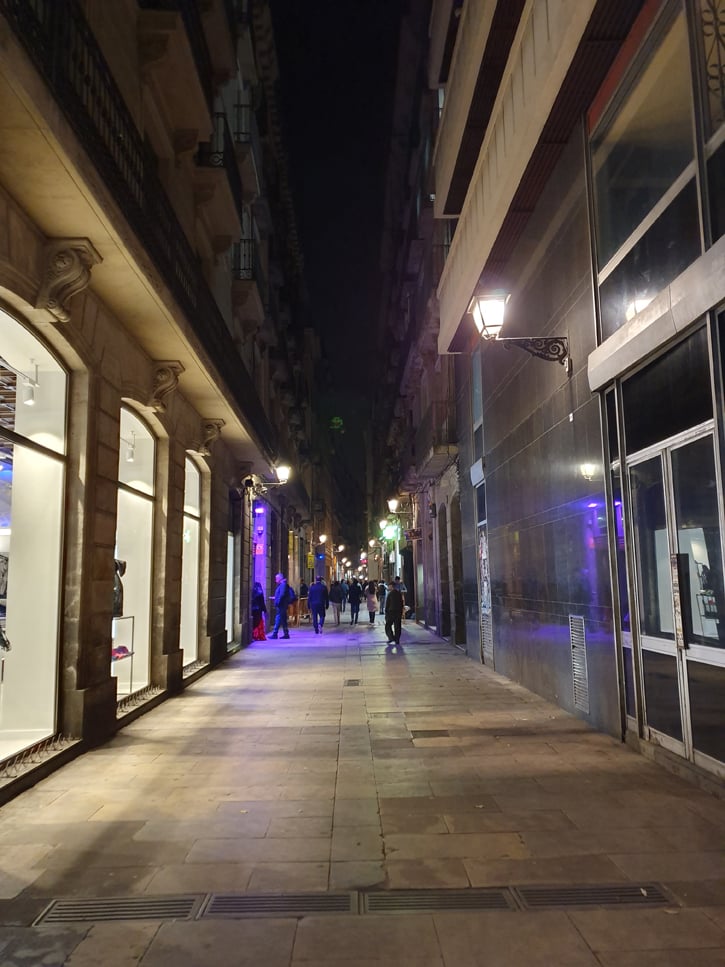



This is a panorama shot using the standard Galaxy S10 lens. The stitching is really seamless.

More ultra-wide.

Hot.

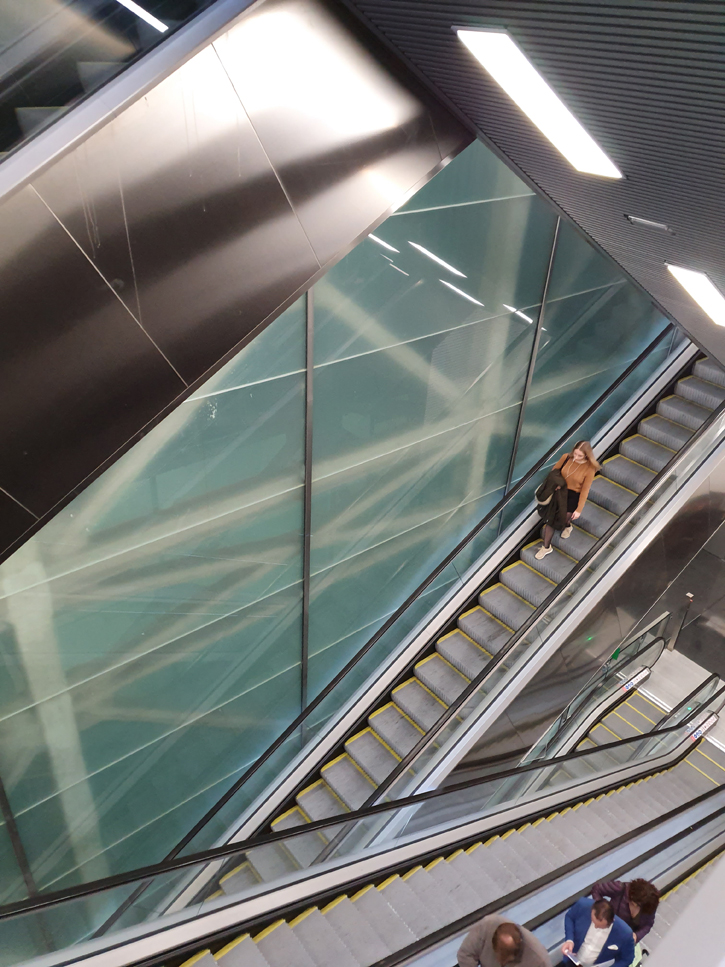

Filthy pretty.



Another shot from the zoom lens. Zoom lens images tend to lose a bit of detail when shot in lowlight.


A good example of how the S10 handles colours.

An obligatory selfie. The S10+ actually has a great selfie camera.

Alex Choros

Related Articles


