
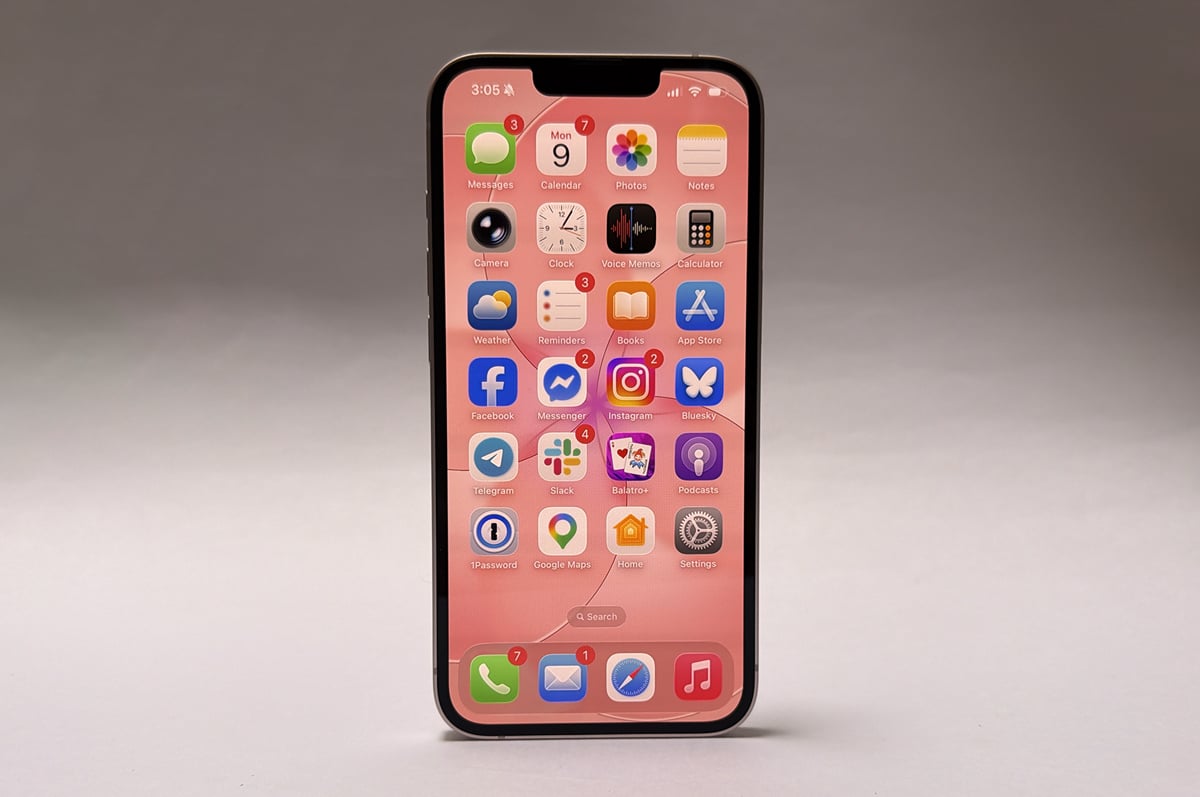
- Has MagSafe this year!
- More storage at the same price as last year's model
- Great performance and battery
- Just one camera
- 60Hz display
- No UWB
The most surprising thing about the iPhone 17e is the price. Like last year’s iPhone 16e, it starts at $999, but comes with 256GB of storage as a minimum instead of 128GB. When it feels like every phone is getting more expensive, offering more value at last year’s price point is a very welcome first step.
While the rest of the iPhone 17e isn’t exactly revelatory, it’s a more rounded package than the iPhone 16e. It gets the prerequisite annual chipset upgrade, and also benefits from improved durability and support for the MagSafe ecosystem accessory. The iPhone 17e is still far from the most exciting device in Apple’s portfolio, but maybe it doesn’t need to be.
iPhone 17e 256GB Plans

|
#1
|
Optus

$60 Optus Choice Plus Plan
$66.74/mth
Min. cost $1,037.64
|
|
#2
|
Vodafone

$58 Small Plan
$76.91/mth
Min. cost $1,193.76
|
|
#3
|
Telstra

$74 Basic Upfront Mobile Plan
$105.91/mth
Min. cost $1,222.76
Link not supplied
|

MagSafe and sound
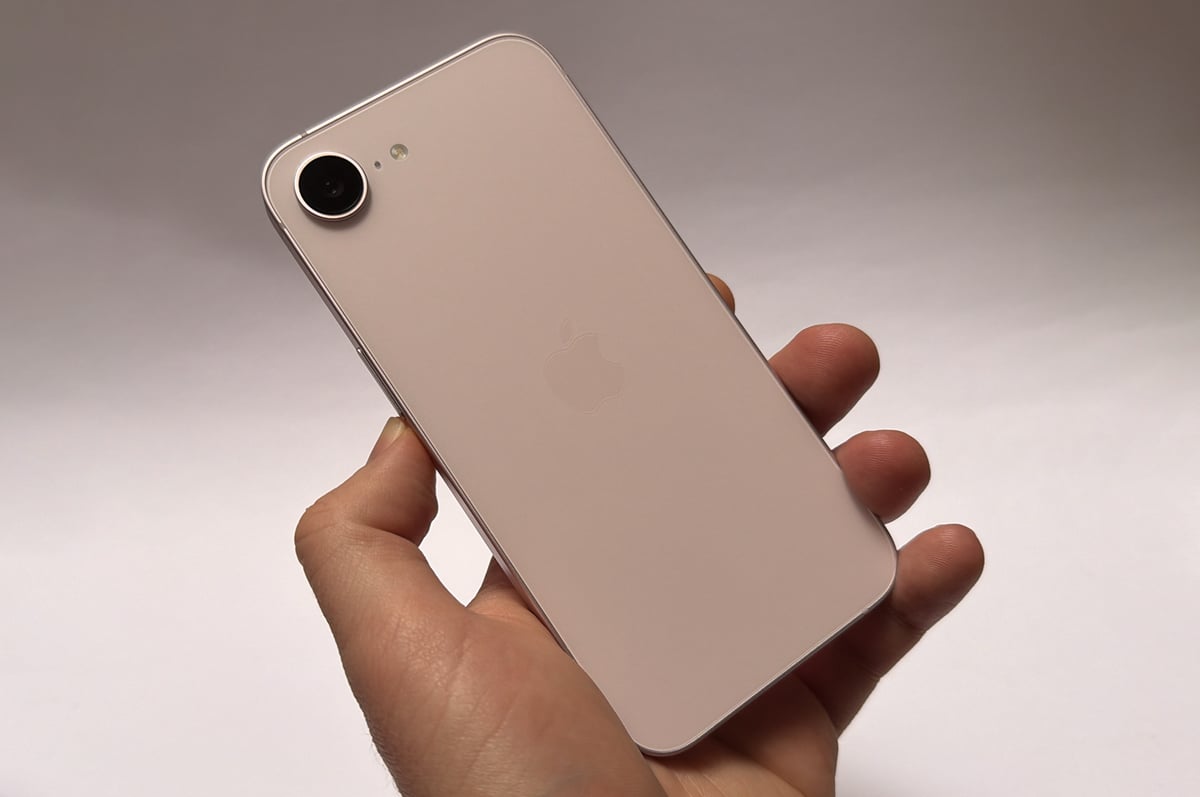
The best upgrade in the iPhone 17e is support for MagSafe, Apple’s wireless charging and magnetic accessories ecosystem. While far from essential, MagSafe is both fun and useful. It is neat to be able to stick a wallet on the back of your phone, and I’ve really enjoyed the simplicity of just plopping my iPhone on my Belkin three-in-one wireless charger at the end of the day. My colleague Fergus is a big fan of Belkin’s MagSafe camera grip. My favourite MagSafe gadget, however, is a car mount for when I’m driving. A little magnetic puck is so much easier to deal with than the claw-style mounts that grip your phone.
While MagSafe does require extra accessories to actually get the most out of it, it is good the iPhone 17e has the option. It was honestly kinda weird the iPhone 16e didn’t have it, given that we have seen the Android world effectively copy it wholesale with Qi2 (branded as Pixelsnap on the Pixel 10 family, for example).
Apple has also upgraded the chipset to the A19, which is almost the same processor as you get in the iPhone 17. It has one less graphics core, but this is the kind of thing that will only make an impact if you’re playing the most demanding mobile games around. Triple A titles with mobile ports like Death Stranding and Resident Evil. Outside of this caveat, there isn’t anything to complain about with the iPhone 17e’s performance. It’s the fastest phone you can get for under $1,000, and a high-end chip should ensure it feels zippy for years to come. While Apple doesn’t make a formal commitment to a set number of years of software upgrades, it has a good track record with recent iPhones seeing as long as seven years of support.
The iPhone 17e’s battery is unchanged from last year, but that’s not a bad thing. I was able to get between six and eight hours of screen time per charge in my testing. Much like with the iPhone Air, I saw a bit of variability in battery life from day to day. The six-hour figure came from testing on weekdays, where my average number of notifications is much higher thanks to Slack and emails, while the eight-hour figure was from the weekend, where that isn’t a factor. But even at six hours of screen time per charge, that’s still a full day of usage with a very comfortable buffer.
And while not strictly new, there are a few bells and whistles Apple has included on the iPhone 17e. Like the iPhone 16e, it has emergency satellite connectivity and car crash detection. These are great initiatives and certainly welcome to have, even if they might not be the reason you buy a device.
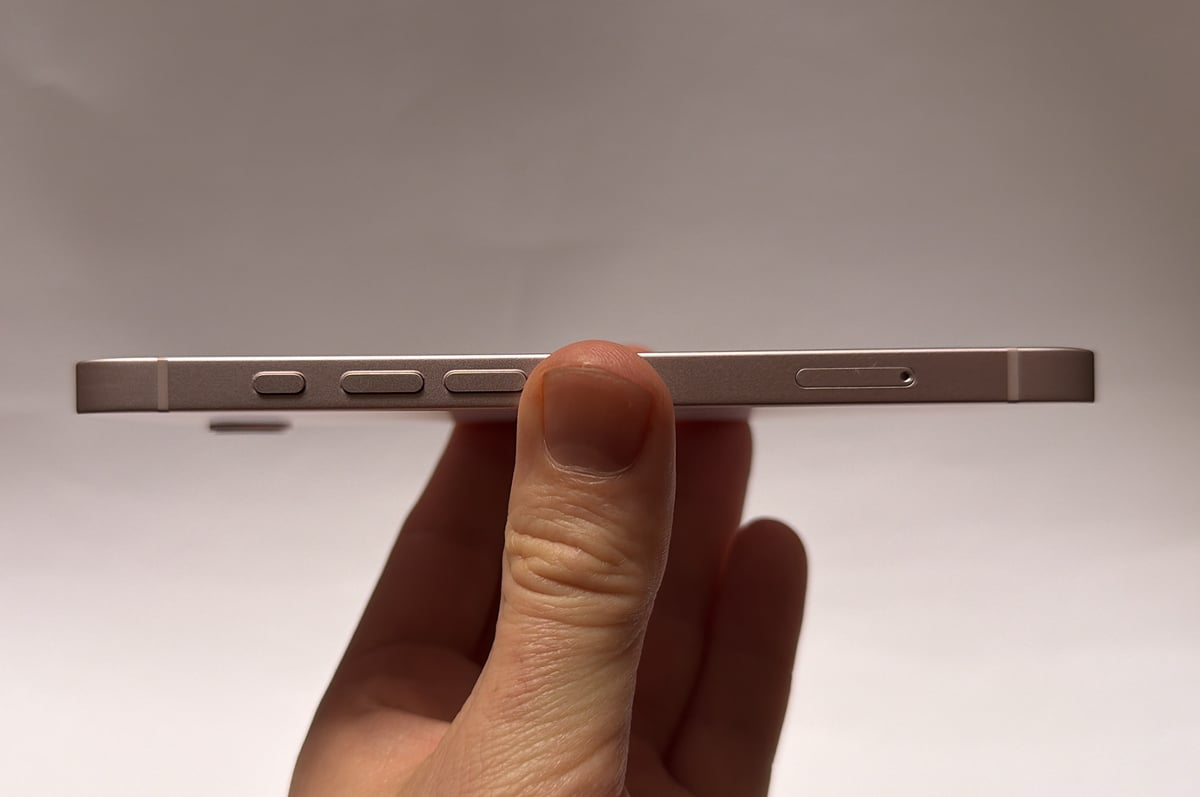
The iPhone 17e also has an action button instead of a physical mute switch. By default, the action button toggles the phone between silent and loud, but it can be customised. Your out-of-the-box options are pretty standard tasks like turning on the torch or opening the translate app. If you’re a bit more adventurous and familiar with Apple’s shortcut system, you can use the action button to pretty much do anything.
Bits of compromise
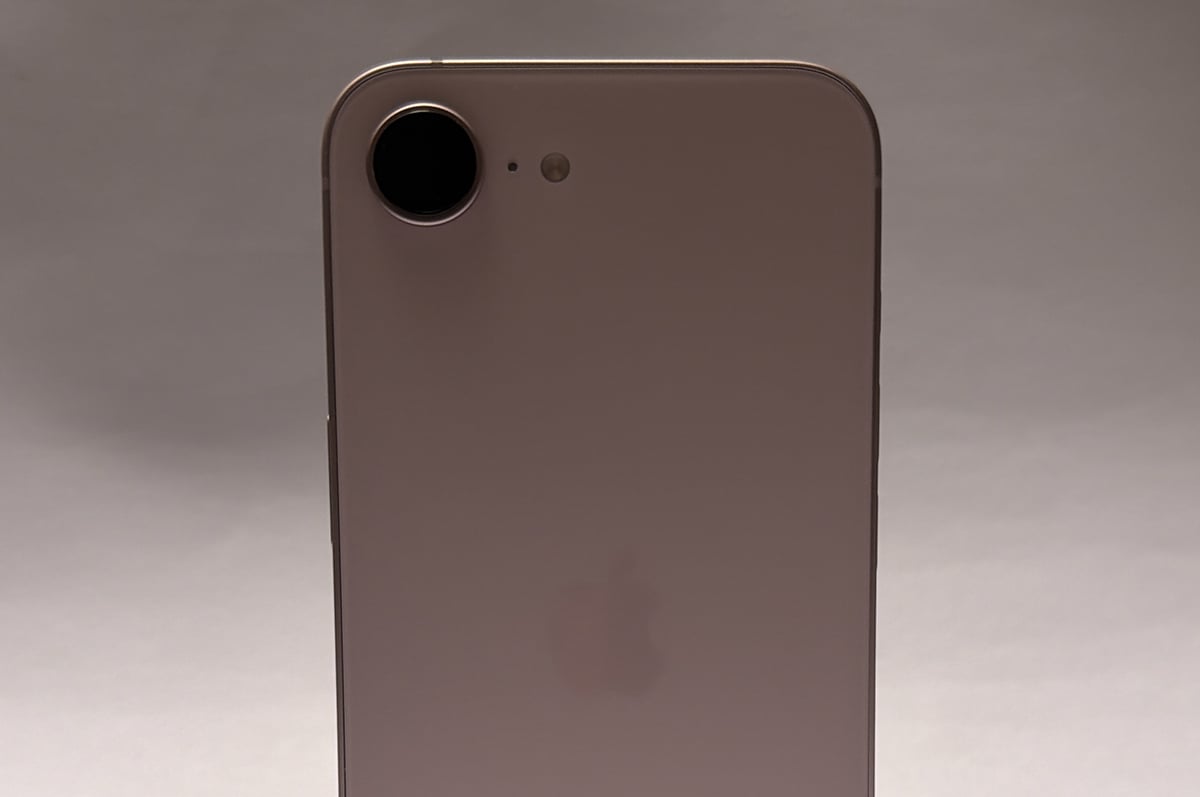
As the “cheap iPhone”, the iPhone 17e naturally makes some compromises. The camera and display are the two sacrifices you’ll make if you’re after Apple’s most affordable handset.
Like its predecessor, the iPhone 17e has just a single camera on the back. Fortunately, it’s pretty good. The sole rear-facing camera is a 48MP lens similar to what you’d find in the standard iPhone 17, but with a smaller pixel size. In good lighting, you won’t be able to tell photos from the iPhone 17e and iPhone 17 apart. In darker environments, the pixel size has more of an impact. Low-light shots from the iPhone 17e are grainier than what you’d get from an iPhone 17, and can also be less detailed. In many cases, you might not notice the difference unless you’re explicitly looking for it, but it is worth considering.
Night mode can also take longer when shooting with the iPhone 17e. In a situation where the iPhone 17 might only need a one-second exposure, the iPhone 17e could require three. This creates room for error, where moving subjects or shaky hands have a higher chance of blurring your photo.
Apple’s decision to ship the iPhone 17e with a secondary camera lens gives you a little less versatility. You can effectively do 2x optical quality zoom with the primary lens, but there’s no option for ultra-wide photography. This, in turn, means you can’t take macro shots.
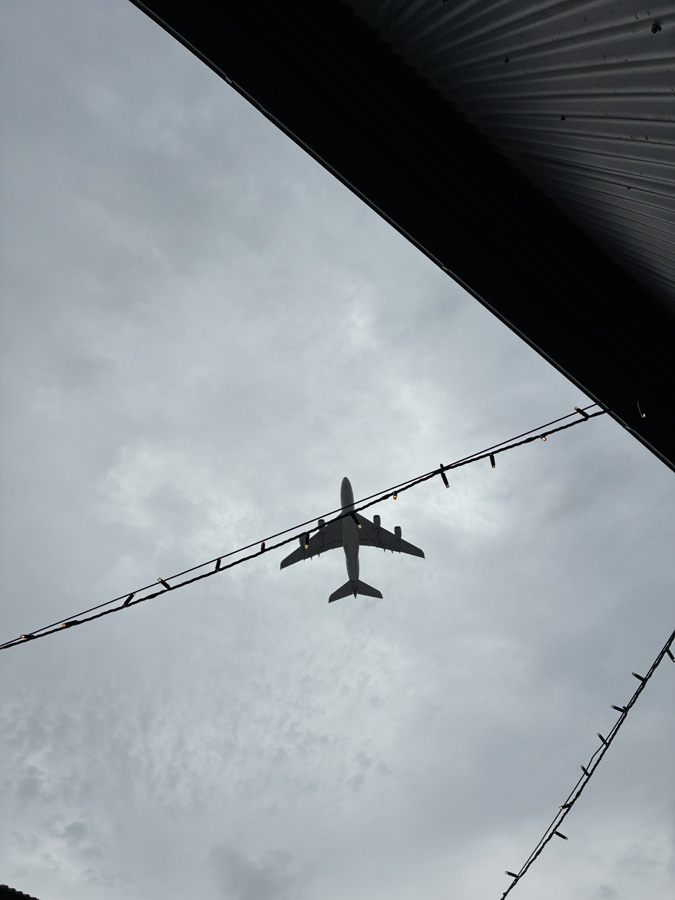
iPhone 17e camera samples
Check out these camera samples taken on the iPhone 17e. Click or tap on any photo to see a larger version.


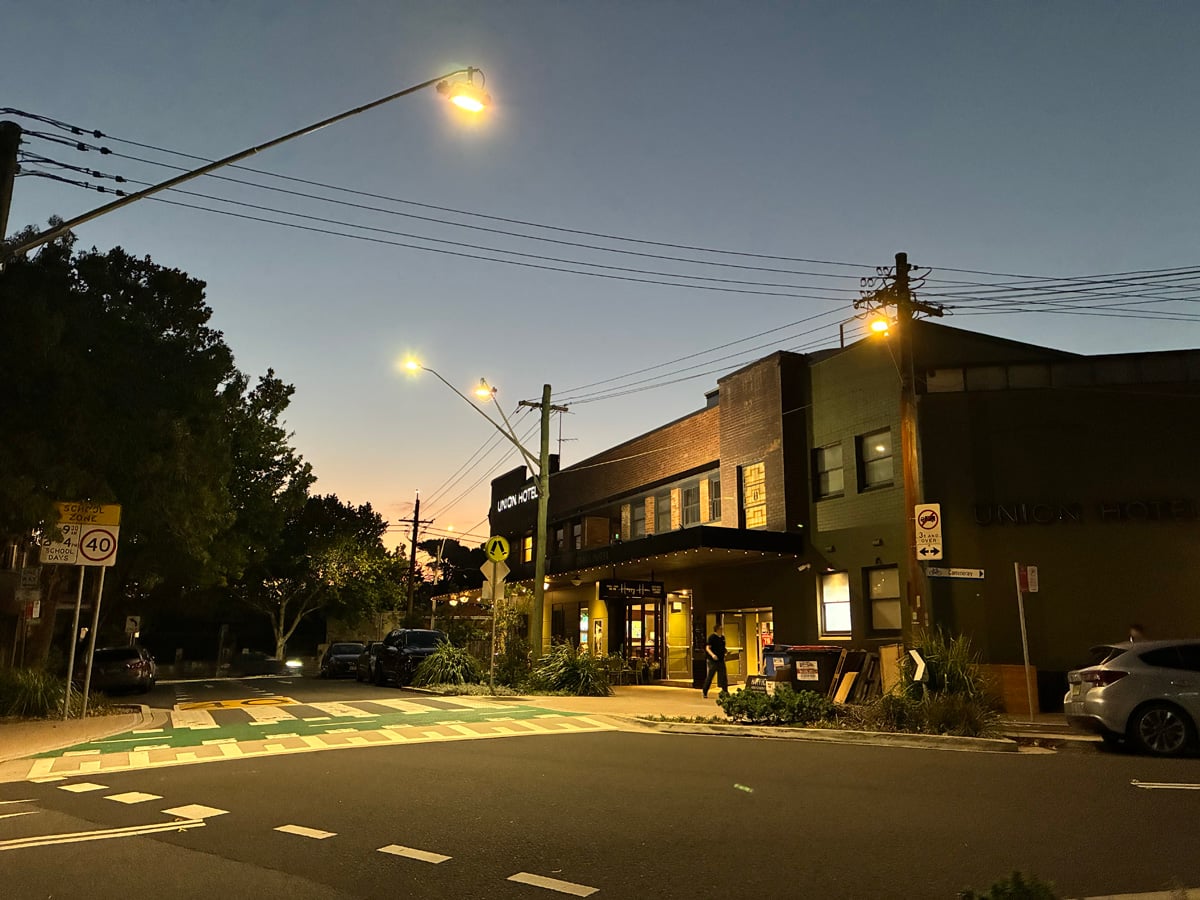





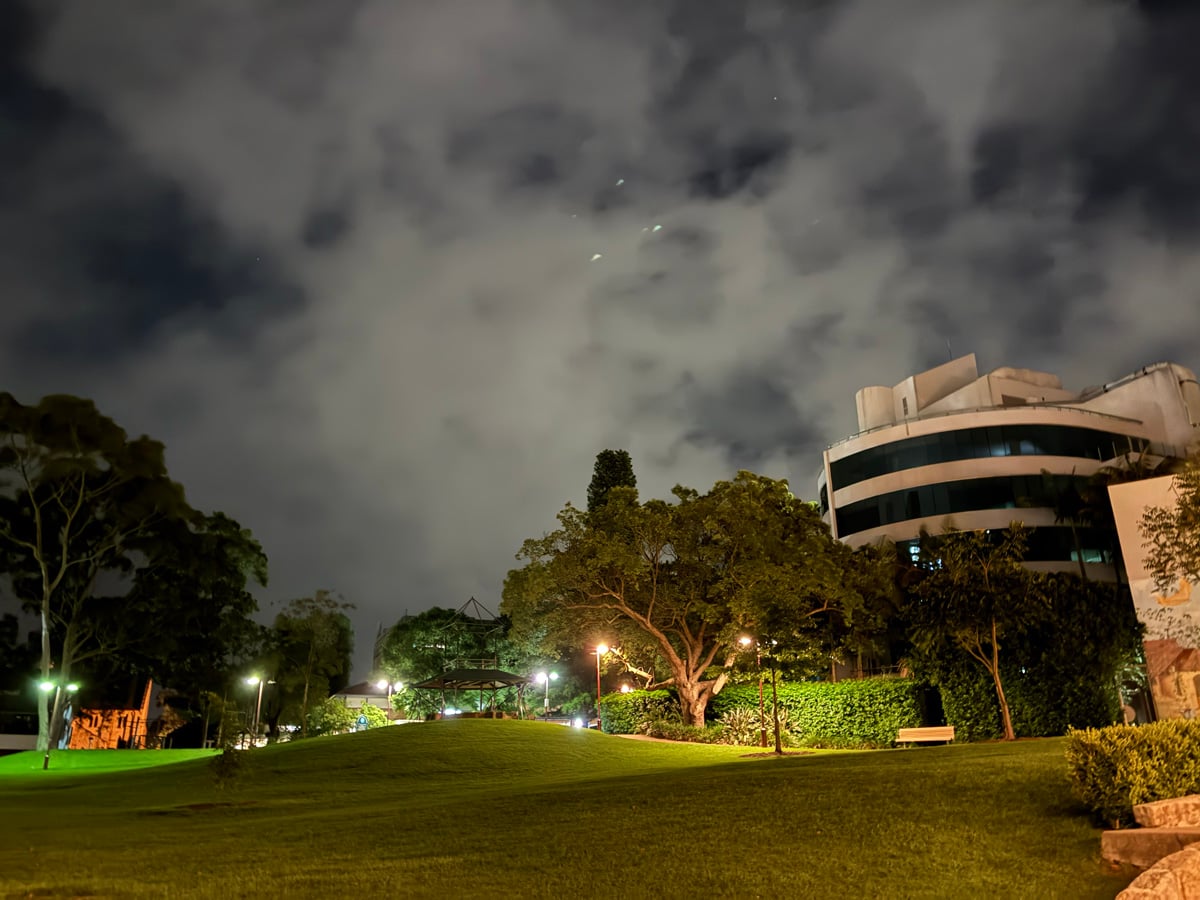


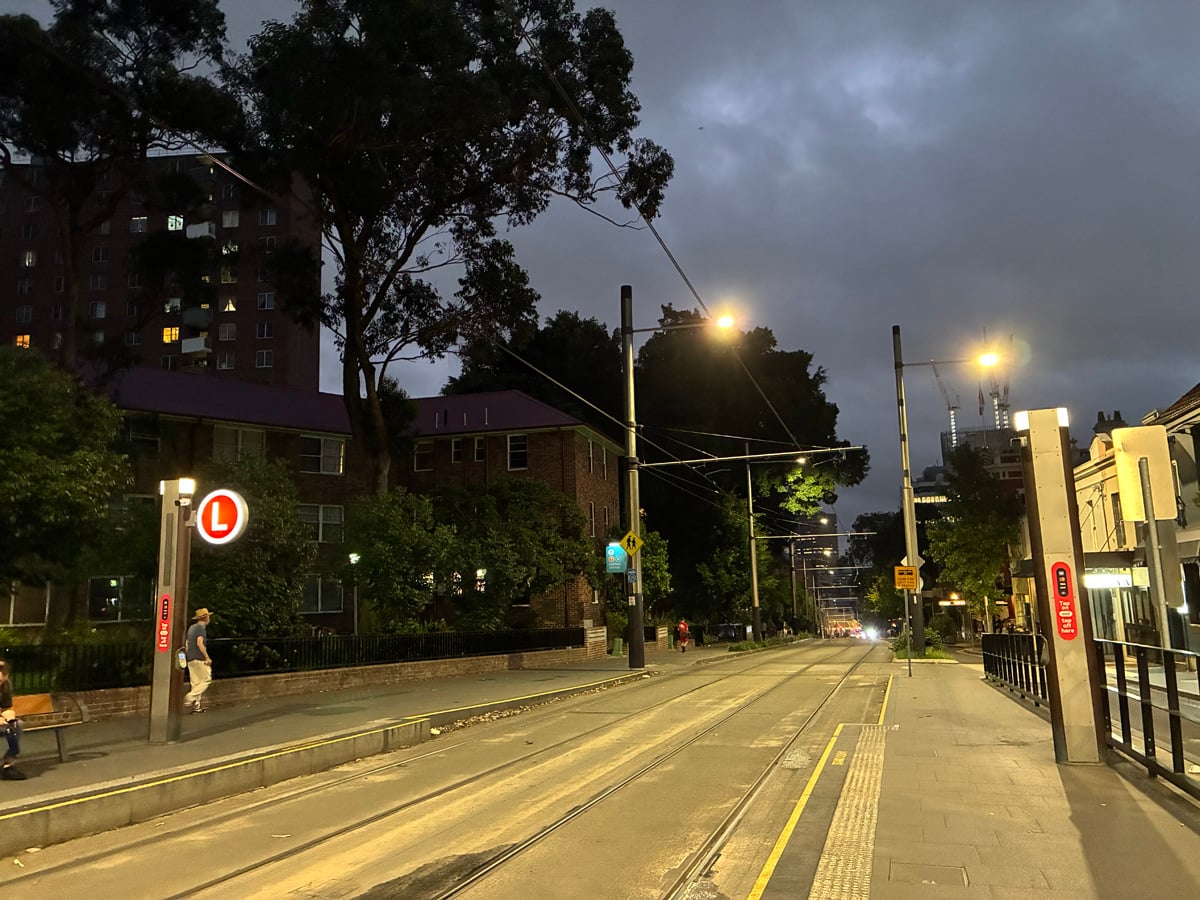

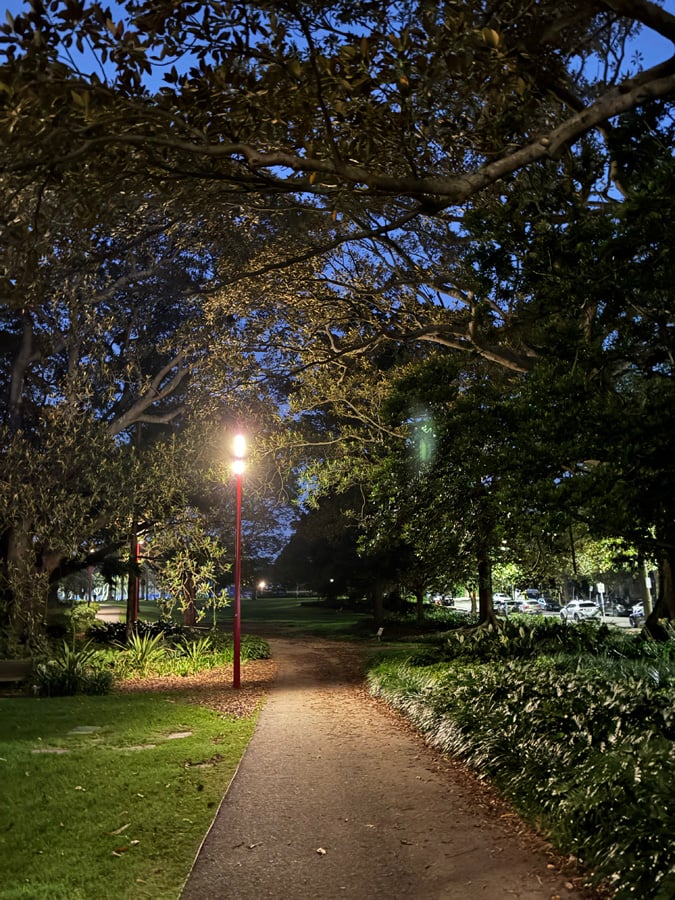
As with the iPhone 16e, the iPhone 17e is missing the upgraded photographic styles Apple first introduced with the iPhone 16 family. These are filter-like adjustments that happen before you shoot and give you greater control over the final result. These are highly customisable and give you an easy way to add your own vibe to your images. For example, it’s easy to dial in a little extra contrast to address the fact iPhone photos can sometimes look flat. Given this is done with software, it’s odd Apple hasn’t shipped the new photographic styles with the iPhone 17e.
On the display front, the iPhone 17e is a clear continuation of last year’s iPhone 16e. Apple is effectively reusing the iPhone 14 design, where you get a 6.1-inch display with a notch, rather than the Dynamic Island. That’s out of step with newer iPhones, but I don’t think the size or the notch will be an issue for most. My main qualm is the 60Hz refresh rate. Faster refresh rates have become standard across the industry, and even dirt-cheap Android phones consistently have 90Hz or 120Hz screens.
High refresh rate displays make all motion on a phone look smoother. I’ve been using these for years now, and the 60Hz screen on the iPhone 17e looks choppy to my eyes. This won’t be an issue for everyone; if you haven’t used an iPhone with a ProMotion display (iPhone 13 Pro and up), you’re not going to have the same experience. At the same time, it would be nice to see Apple standardise high refresh rate displays across the board, especially now that the standard iPhone 17 finally has one.
While Apple didn’t change the iPhone 17e’s display technology, it has made the display itself more durable. The iPhone 17e’s display is now protected by Ceramic Shield 2, which Apple also uses for the rest of the iPhone 17 family. Apple says this is three times more scratch-resistant than the glass on the iPhone 16e. I didn’t intentionally try to key my review unit, but the iPhone 17 Pro Max that I’ve been using as my daily driver since launch is still free from scratches and micro-abrasions.
One other odd little omission worth calling out is the lack of ultra-wideband (UWB) support. On iPhone, UWB is largely used to enable precision finding on AirTags - the feature where your iPhone points you in the direction of your lost tag if it is nearby and gives you an estimate of how many metres away it is. While this is another one of those choices that isn’t going to impact every iPhone 17e owner, it is weird that using an iPhone 17e gets you a worse AirTag experience.
The price is right?
The iPhone 17e’s price is worth touching on again because of the weird start to the year in mobile phones. Apple keeping the iPhone 17e at $999 while upping storage is significant, given most competitors have become worse value.
Google kept the Pixel 10a’s starting price the same as the Pixel 9a, but the new device is almost identical to last year’s. OPPO’s Reno 15 devices and Nothing’s Phone 4a family are as much as $100 more expensive than last year’s equivalents, and Samsung has increased Galaxy S26 prices by as much as $250. Apple devices often get criticised for being expensive, so the manufacturer definitely deserves kudos for not hiking the iPhone 17e price.
Apple iPhone 17e - Final Thoughts

The iPhone 17e is a solid, cheaper entry point into Apple’s mobile ecosystem. If you’re coming from an iPhone 14 or older, the iPhone 17e is a reliable upgrade that gives you more of the same. It won’t feel quite as “new” as if you opted for a standard iPhone 17, but the iPhone 17e still certainly does the trick.
This also means the iPhone 17e isn’t the kind of device that’s exciting enough to rush out and buy immediately. While it’s easy to recommend if you want an iPhone that doesn’t break the bank, you can wait until you’re ready to upgrade.
I also wouldn’t recommend the iPhone 17e to everyone. It’s a great first iPhone, and as aforementioned, a neat solution if you’re upgrading from an iPhone 14 or older. But if you’re coming from a newer iPhone or are an avid photographer, I’d consider the standard iPhone 17 as a minimum instead.
All in all, the iPhone 17e does what it needs to. It’s super fast, has a great battery, and a solid camera. It’s a cheaper iPhone that handles all of the basics.
Did you like this article? Good! Why not make us a preferred source in Google? Click below, tick the box, and WhistleOut stories will show up more often when you search for related content.
Alex Choros

Related Articles


