
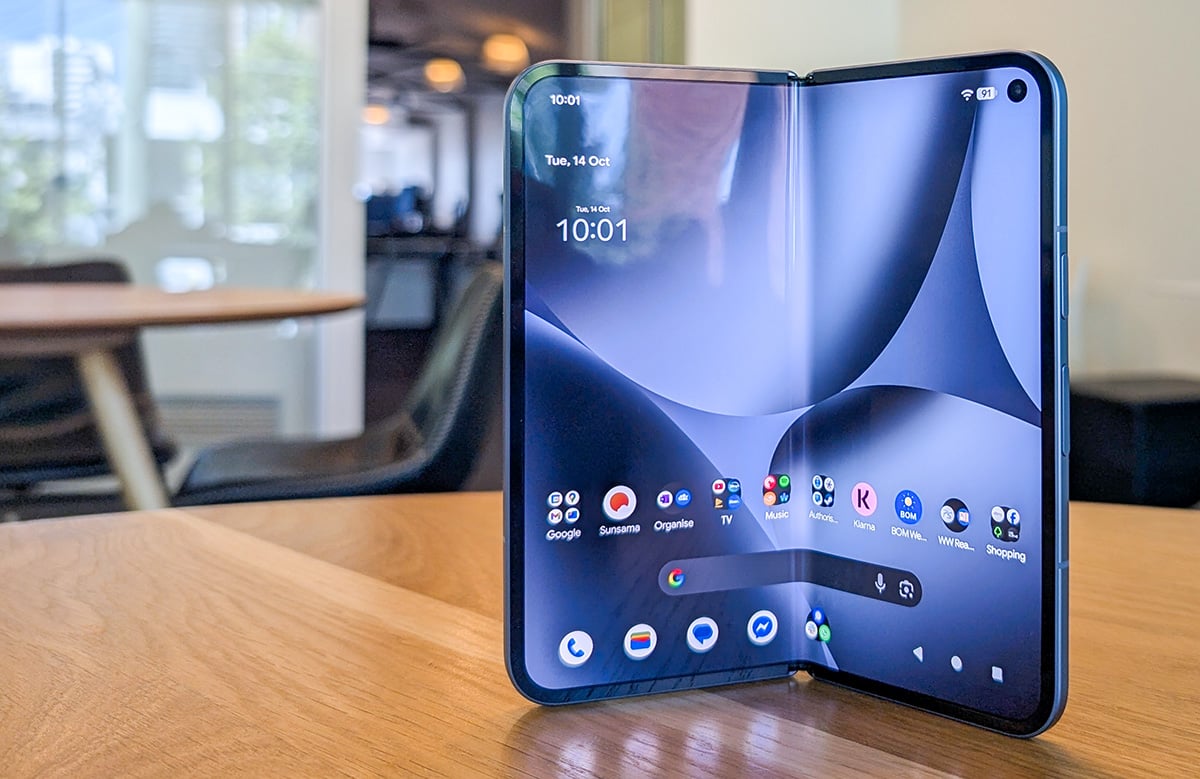
- The first dust-tight foldable
- Outer display has a good ratio
- Great battery life
- Pixelsnap works with MagSafe accessories
- Underwhelming cameras, especially selfie cams
- No unique “Pixel” identity
- Not cheaper than the competition
- It’s a chonky boy
The Pixel lineup has always been an affordable showcase for Google’s vision of Android and the Google ecosystem as a whole – a sort of “here’s how it should look and all work together”. And, as a whole, it’s produced some great phones that cost a fair bit less than the competition.
But when it comes to foldables, the Pixel 10 Pro Fold doesn’t seem to follow this ethos. Not only does it have the same starting price as the Samsung Galaxy Z Fold 7 (the price of which has dropped since its release date), there’s nothing uniquely “Pixel” about how it makes use of its novel form factor. Sure, some Google apps have been optimised for the larger screen, but that’s about it.
Despite sacrificing these distinctive Pixel characteristics, it also lags behind in terms of camera quality and comfort.
Where it shines is battery life, thoughtful external screen design, and its landmark claim to fame as the first dust-tight foldable.
Ultimately, it’s an exercise in trade-offs that will come down to what you personally value in a smartphone. But even if it is your cup of tea, it still doesn’t feel like a Pixel.
Limited availability on plans
At the time of writing, the Pixel 10 Pro Fold is hard to get on a telco plan. Telstra offers both the 256GB and 512GB variants, but Vodafone isn't planning to stock it and Optus is yet to launch any offerings. So, until something changes, these are the cheapest plans for each storage variant:
Google Pixel 10 Pro Fold 256GB Plans
|
#1
|
Optus

$60 Optus Choice Plus Plan
$113.96/mth
Min. cost $2,737.56
|
|
#2
|
Telstra

$74 Basic Upfront Mobile Plan
$148.97/mth
Min. cost $2,772.92
Link not supplied
|

Google Pixel 10 Pro Fold 512GB Plans
|
Optus
$60 Optus Choice Plus Plan
$119.52/mth
Min. cost $2,937.72
|
Cameras
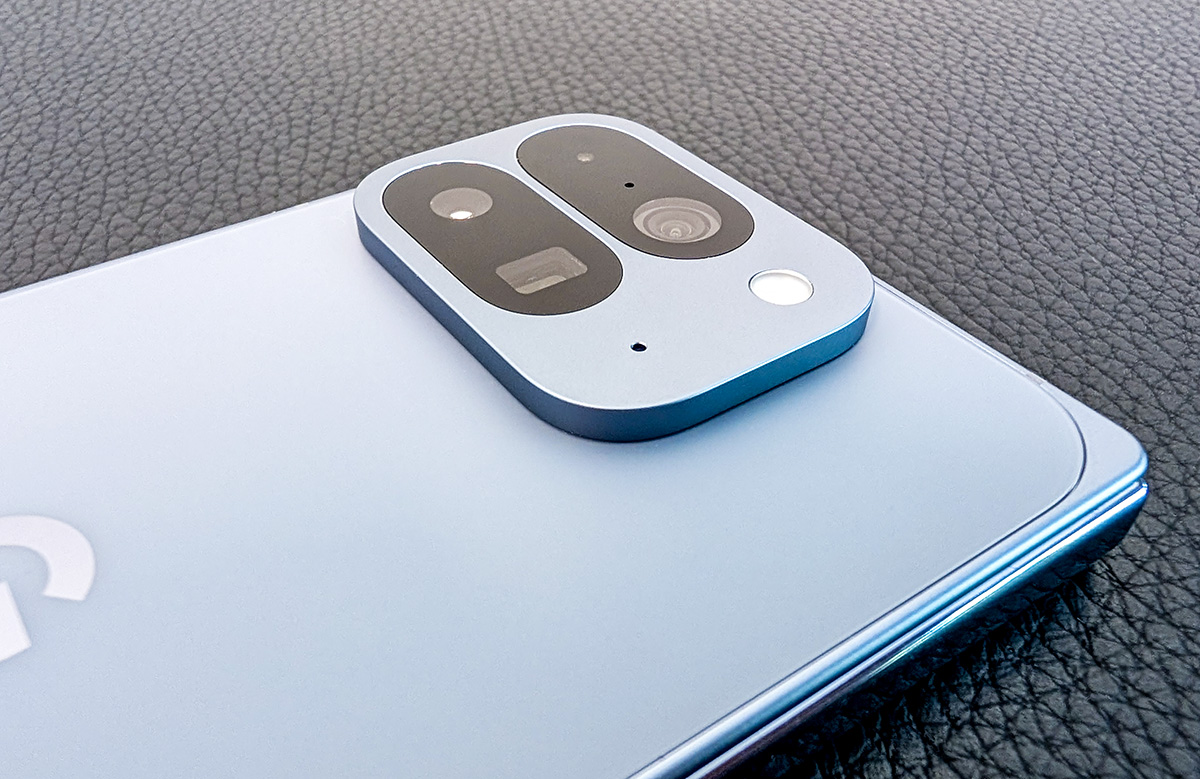
The camera experience on the Pixel 10 Pro Fold is largely fine, which is disappointing. While its rear cameras are certainly better than most on the market, they’re well behind the best available. For this price, I’d want to see the same (far superior) camera setup as the Pixel 10 Pro and 10 Pro XL, which start at $1,000 and $700 cheaper, respectively. Instead, the camera system has barely improved over the previous Pro Fold’s, which itself was unremarkable in 2024.
The 48MP main camera performs great for standard daytime shots, but at this point, that’s a bare minimum. The same goes for the 10.5 MP ultrawide and 10.8 MP telephoto lenses, though here we already start to see a noticeable difference between the Fold and the best-of-the-best in terms of polish.
The inclusion of a 5x zoom lens is another example of interesting priorities. Depending on your preferences, this is potentially a point in the Pro Fold’s favour, given the Galaxy Z Fold 7 doesn’t have one. But I’d argue Samsung took the better route here by opting for a better main camera and omitting this secondary lens that most people would rarely use.
While most zoomed shots are good, there’s a lot of heavy lifting done by post-processing, which can sometimes get the little things wrong. That said, I will shout out the Pixel 10 Pro Fold’s macro shots, which capture fine detail at extremely close range.

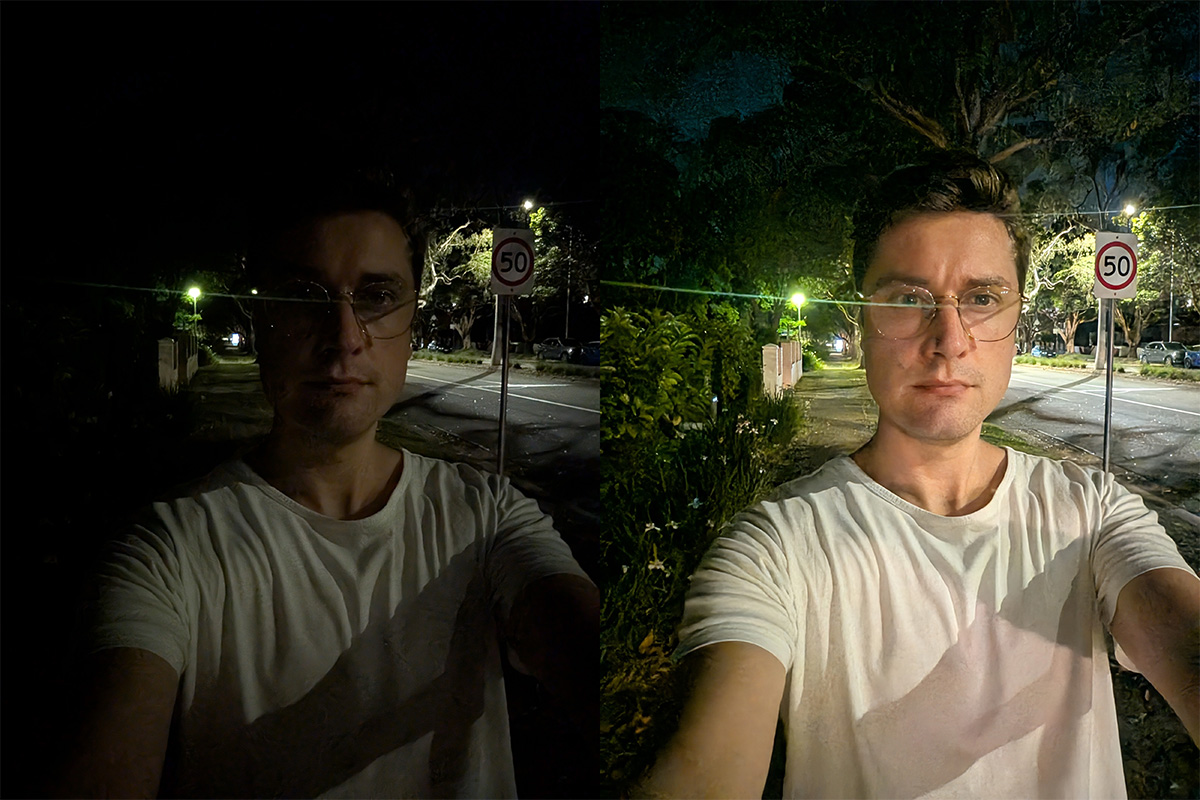
Night shots are a mixed bag. On a dimly lit backstreet, standard shots came out almost pitch black – far darker than I’ve seen in a long time. Once you hit Night Mode, it’s like someone turned on a floodlight. This is great, except Night Mode can take a few seconds to capture an image, which will get irksome if you’re taking multiple photos.
If we’re going to continue with the Samsung comparison, Night Mode is an area where Google is way ahead. Samsung’s Night Mode shots can be oversaturated to the point where things change colour, whereas Google’s shots don’t veer too far from reality.
But while the rear cameras are passable, the 10MP selfie cameras are downright sub-par. Even during the day, they struggle with detail and introduce some halo effects from bright lighting. And at night...

A workaround is unfolding the phone to use the rear camera for selfies, with the external screen providing your view. This is great if you’re serious about maximum-quality selfies, but it’s much more awkward to do one-handed and I can’t see it being the go-to for most people.
For video, the difference between the Pixel 10 Pro Fold and the top end of the market, such as the iPhone 17 Pro, is unmissable. On the latest iPhone Pros, motion is smoother, images are more crisp, and switching between zoom lenses is significantly cleaner.
Pixel 10 Pro Fold camera samples
Check out these camera samples taken on the Pixel 10 Pro Fold. Click or tap on any photo to see a larger version.




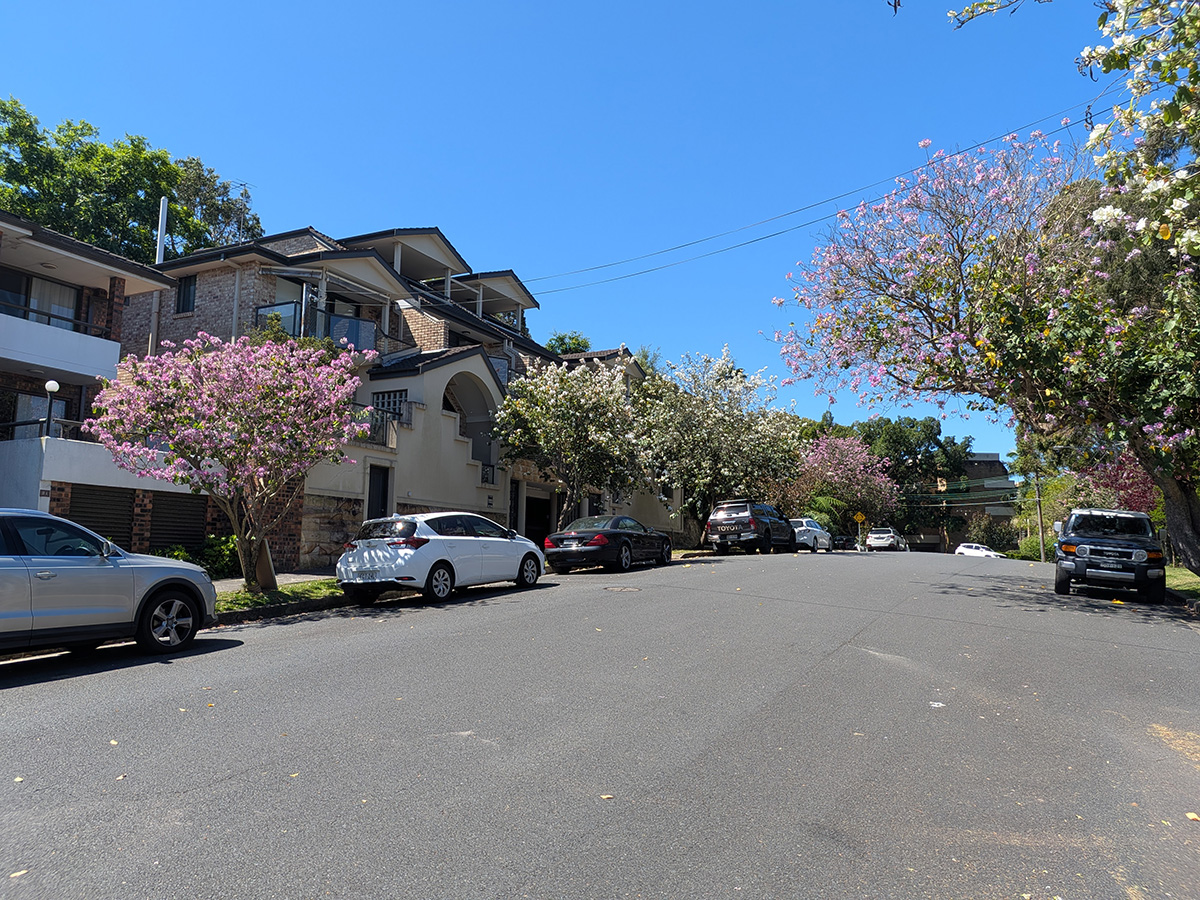
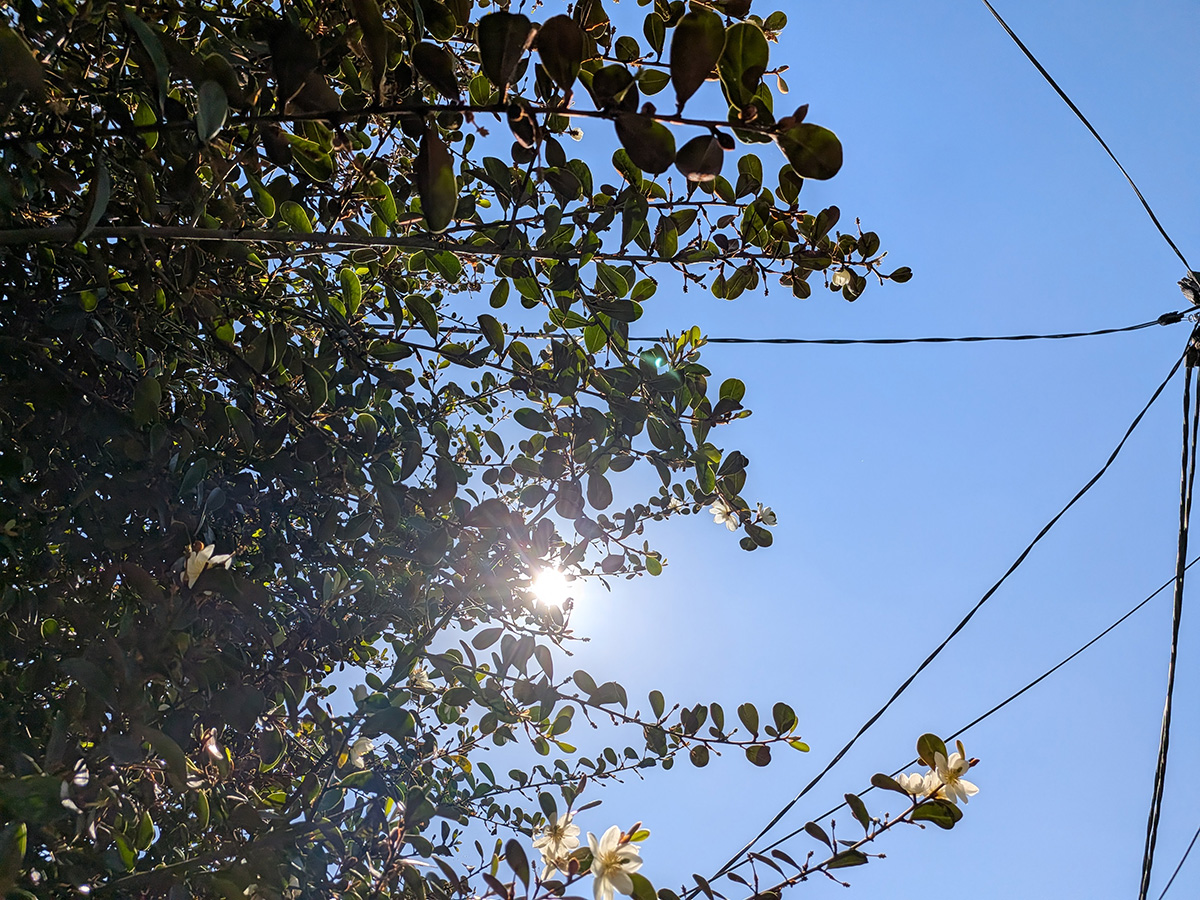
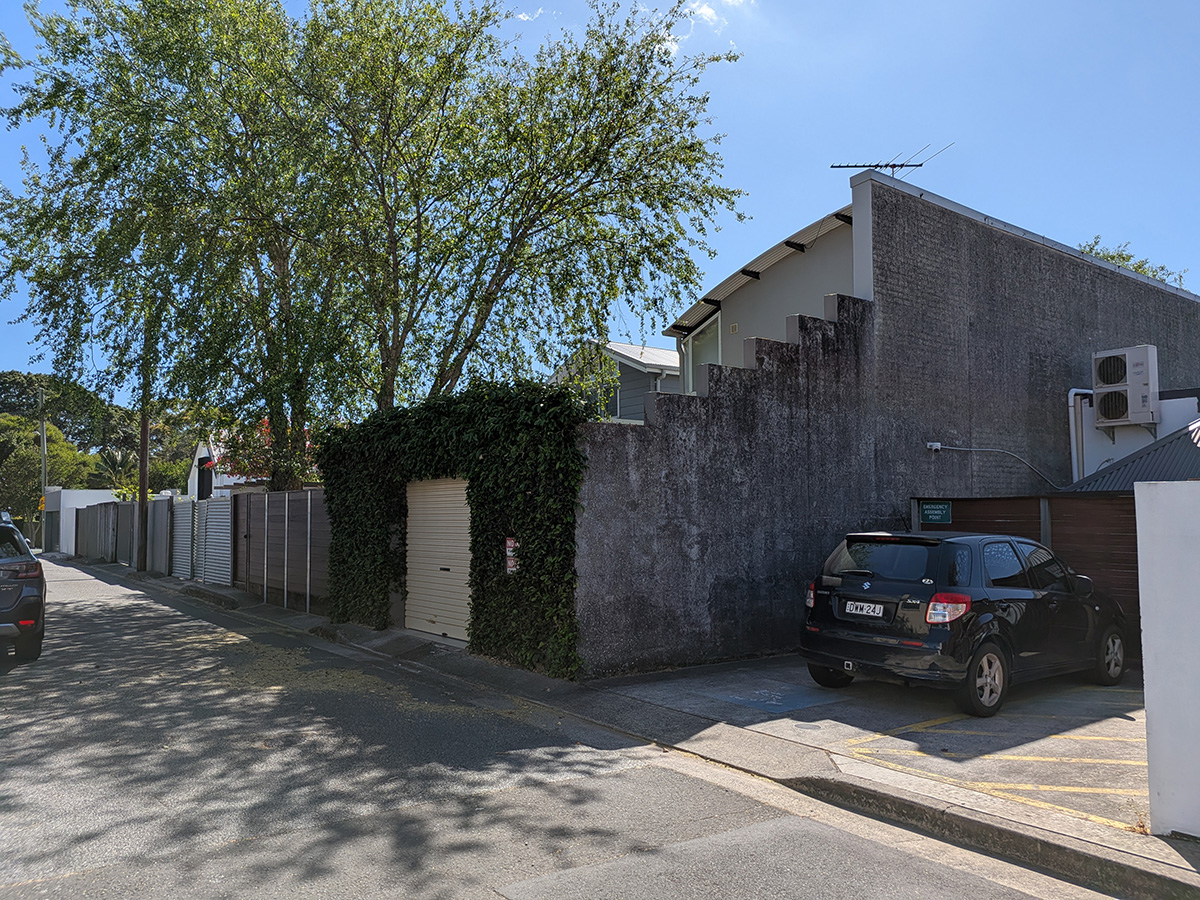
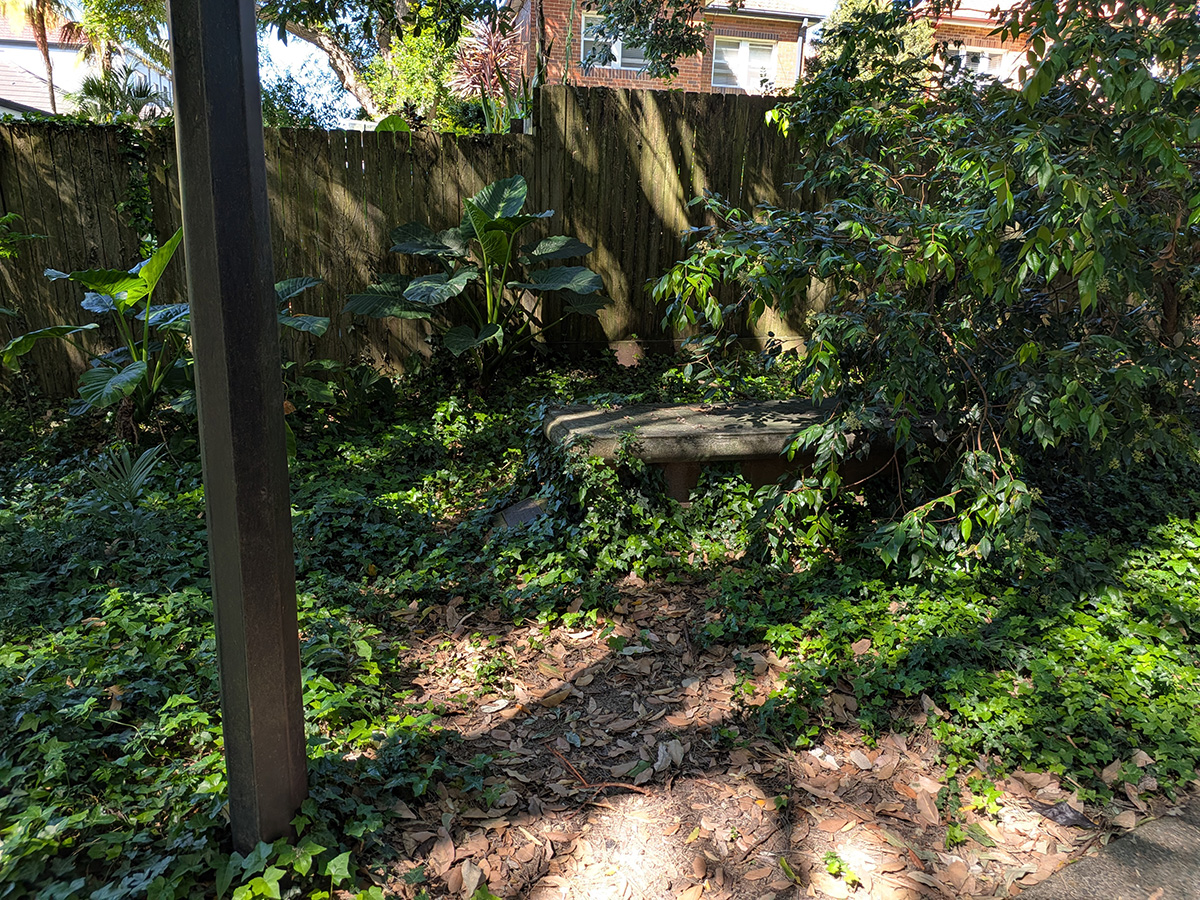



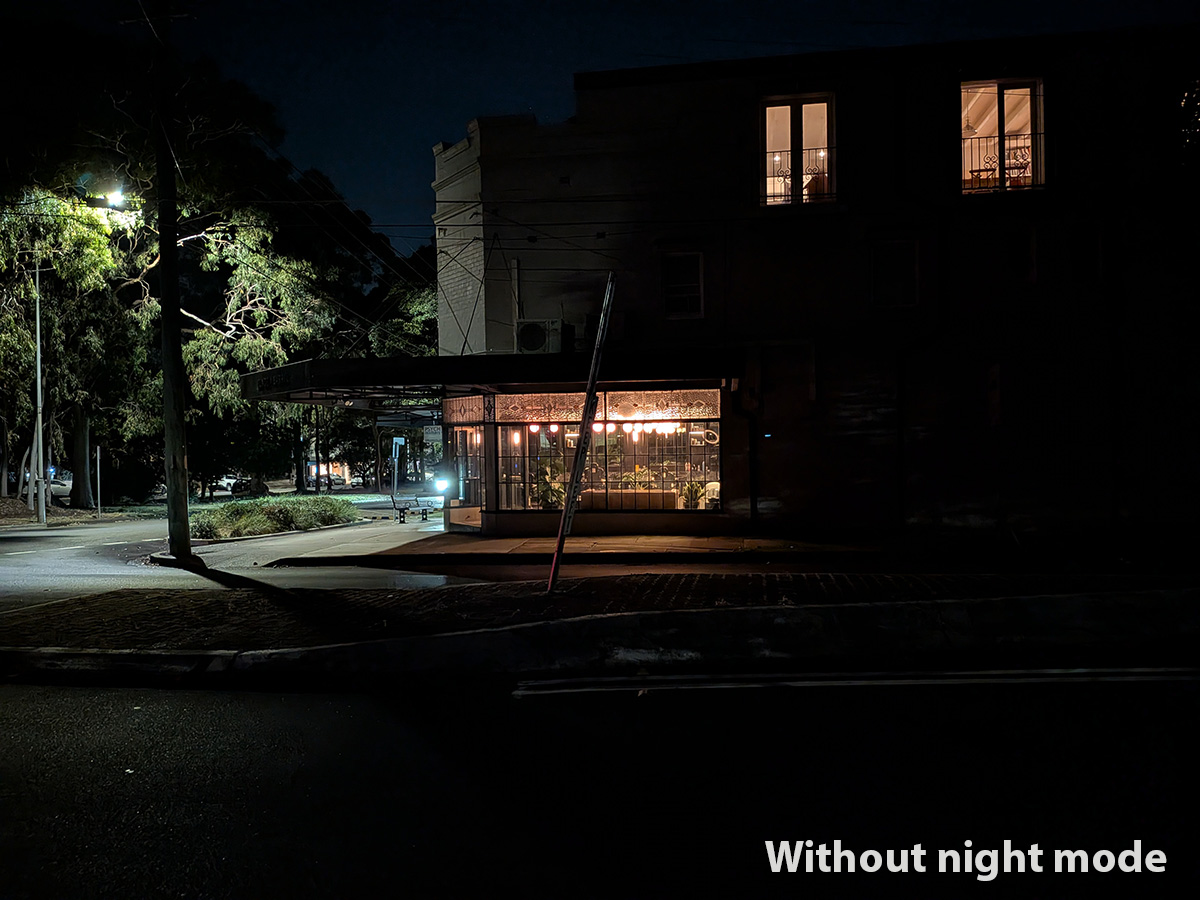
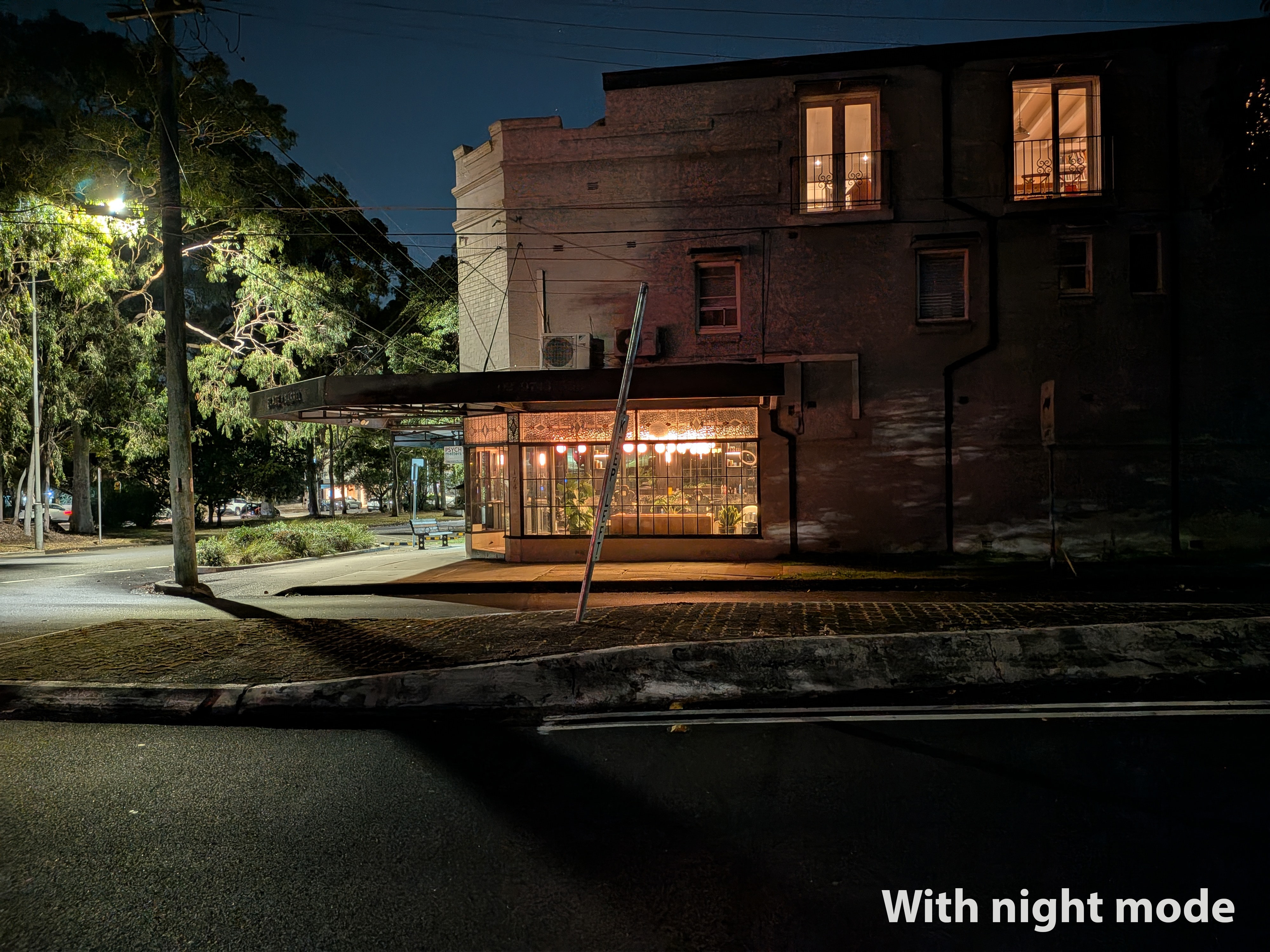
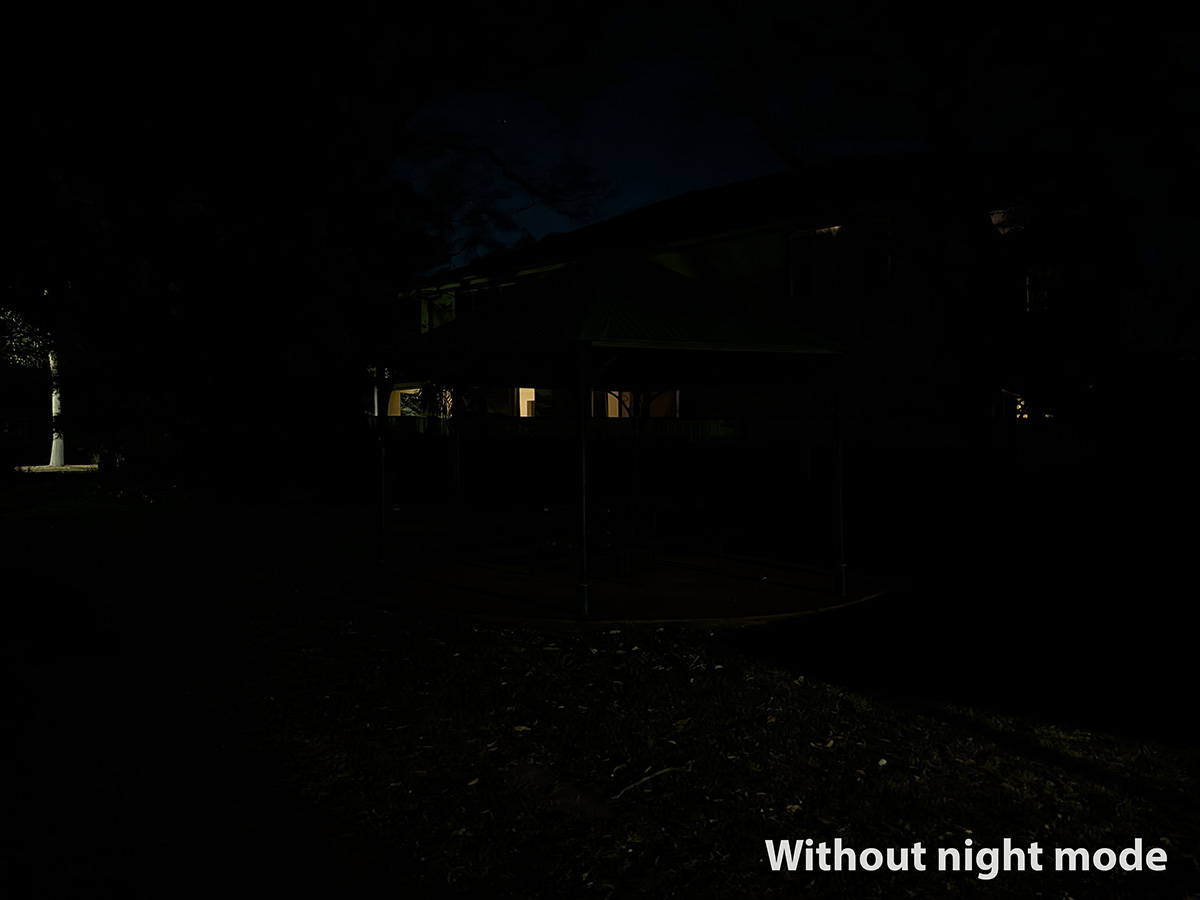
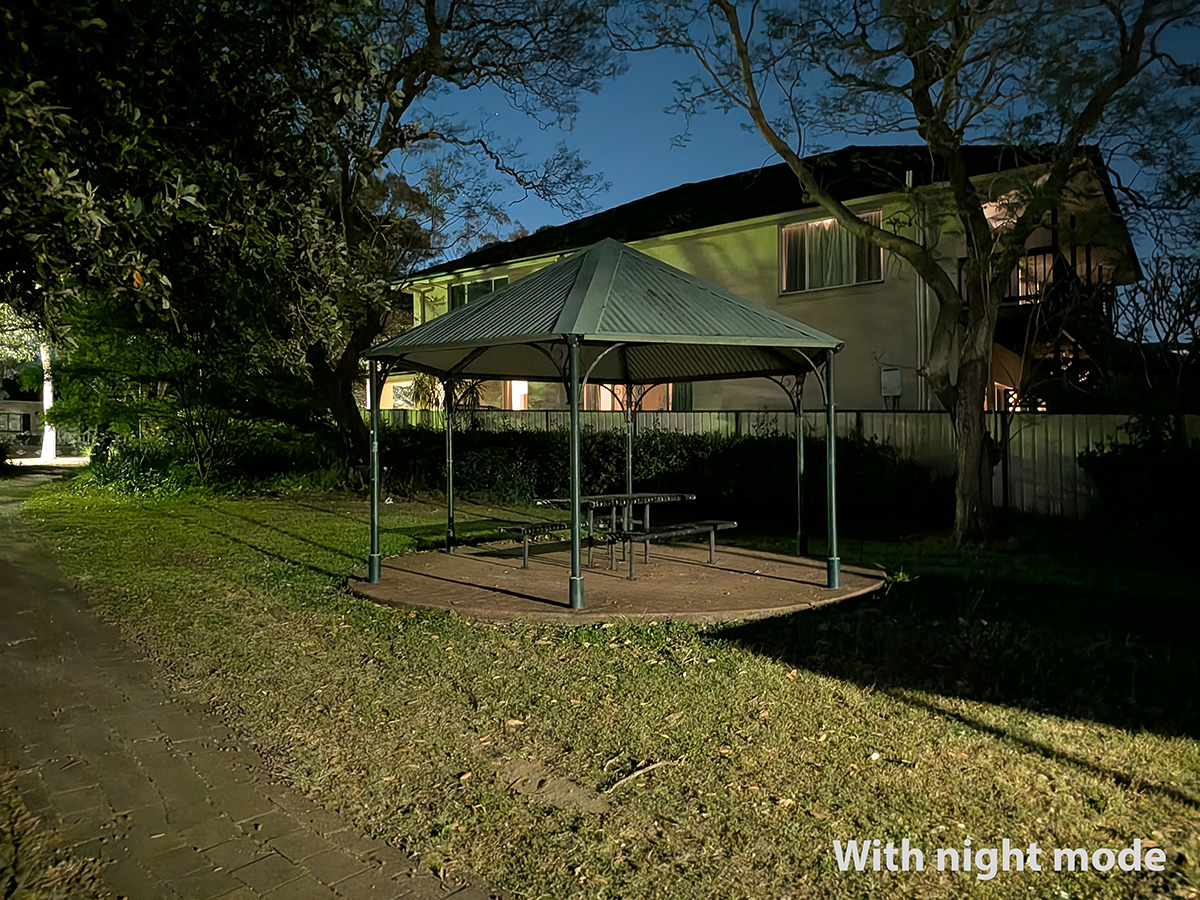
Ultimately, the Pixel 10 Pro Fold’s rear cameras are fine for everyday usage. But at risk of sounding like a broken record, this is a $2,699 phone. Fine doesn’t cut it. As for the selfie cams, they’re plain disappointing.
Build and comfort
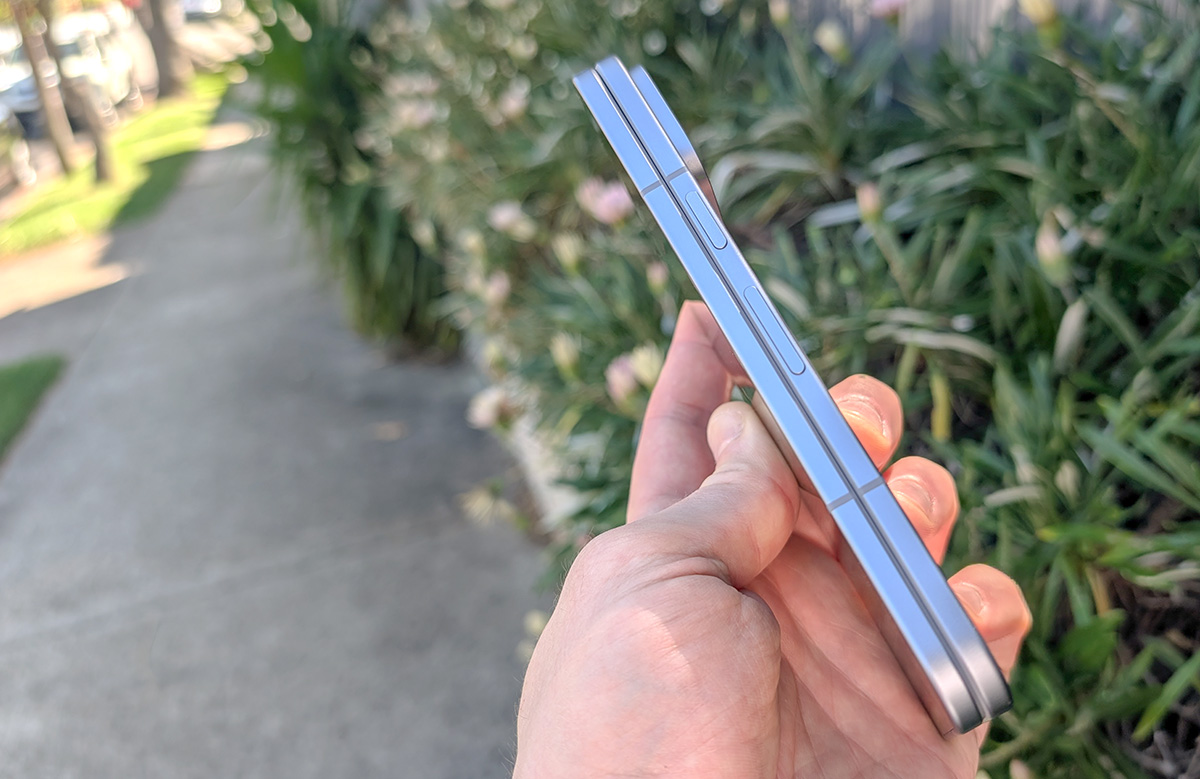
The physical aspects of the Pixel 10 Pro Fold are a mixed bag, the contents of which can only be weighted by personal preference. It’s worth going through them, as they might make all the difference to prospective buyers.
Positives first. It’s the first foldable phone rated as dust-tight, which is the “6” in IP68 (the “8” means protection from continuous immersion in water). This is a milestone achievement by Google’s hinge engineers and I hope they received a pay bonus to match.
By comparison, the Galaxy Z Fold 7 is IP48, which means it’s only protected by objects 1mm and greater. If you haven’t looked at a ruler recently, pull one out and be reminded how big 1mm is. That’s just how unprotected an IP48 device is against dust or dirt.
The whole Pixel 10 lineup includes Google’s Pixelsnap magnetic technology, which lets you securely attach accessories and wireless chargers to the back of the device. This also goes for official cases, which don’t block the connection. Even better, it’s compatible with Apple MagSafe accessories, which opens up a wide range of options.
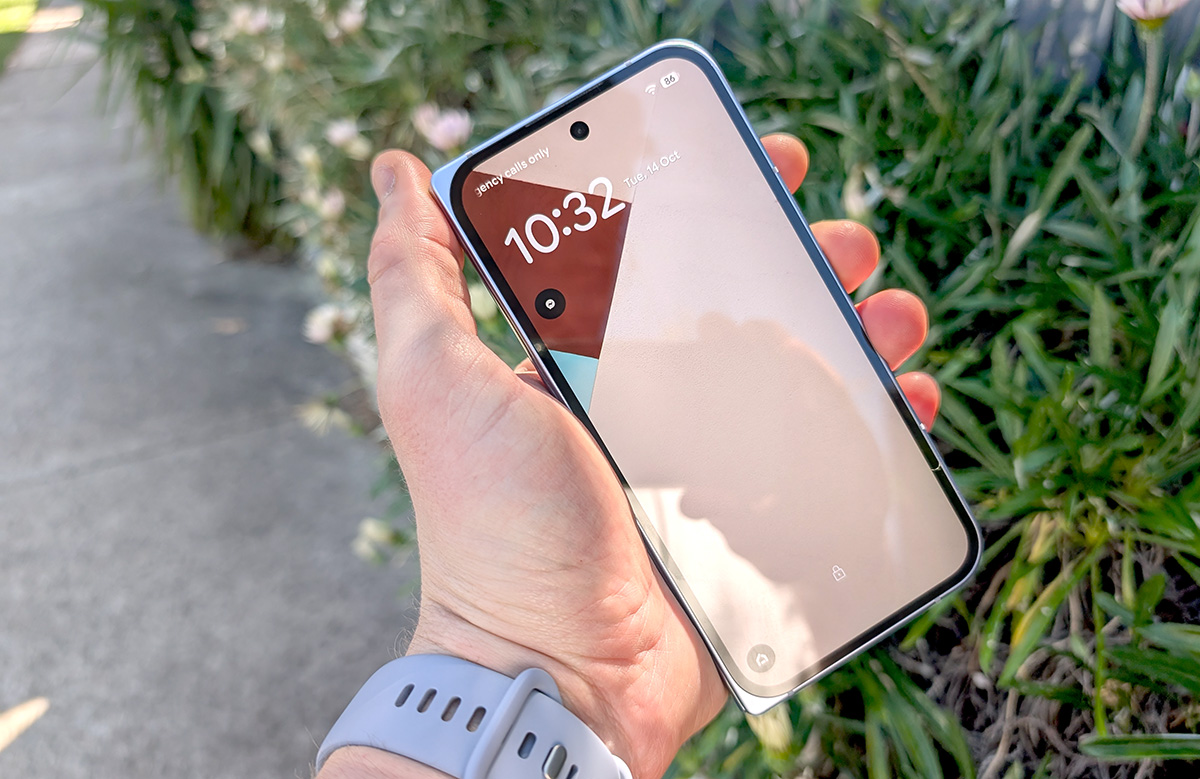
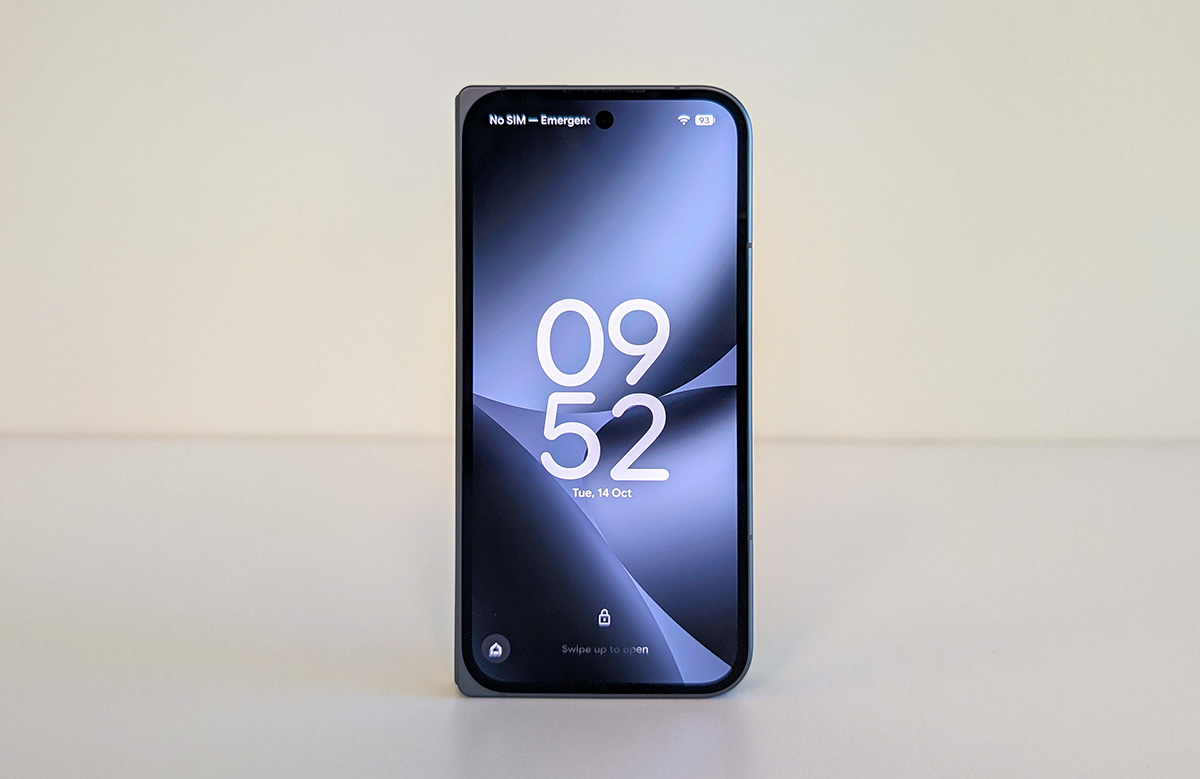
The Pixel 10 Pro Fold’s external display is closer to a standard phone’s aspect ratio than other foldables – in short, it’s not oddly tall and narrow. This makes it much less awkward to navigate the external display while the phone is closed, which will account for most of your daily interactions with it.
Now for the physical drawbacks, which effectively amount to this being a hefty piece of kit. While folded, its profile measures 10.8mm, compared to the 8.9mm of the Galaxy Z Fold 7 and OPPO Find N5. That might sound small on paper, but it’s a marked difference in your pocket and when used one-handed.
It’s also heavier, weighing in at 258g vs. the 215g of the Z Fold 7 and 229g of the Find N5. Once again, small on paper but noticeable in real life. The added weight isn’t great for one-handed use, and using it for long periods of time in either mode is more uncomfortable.
Displays
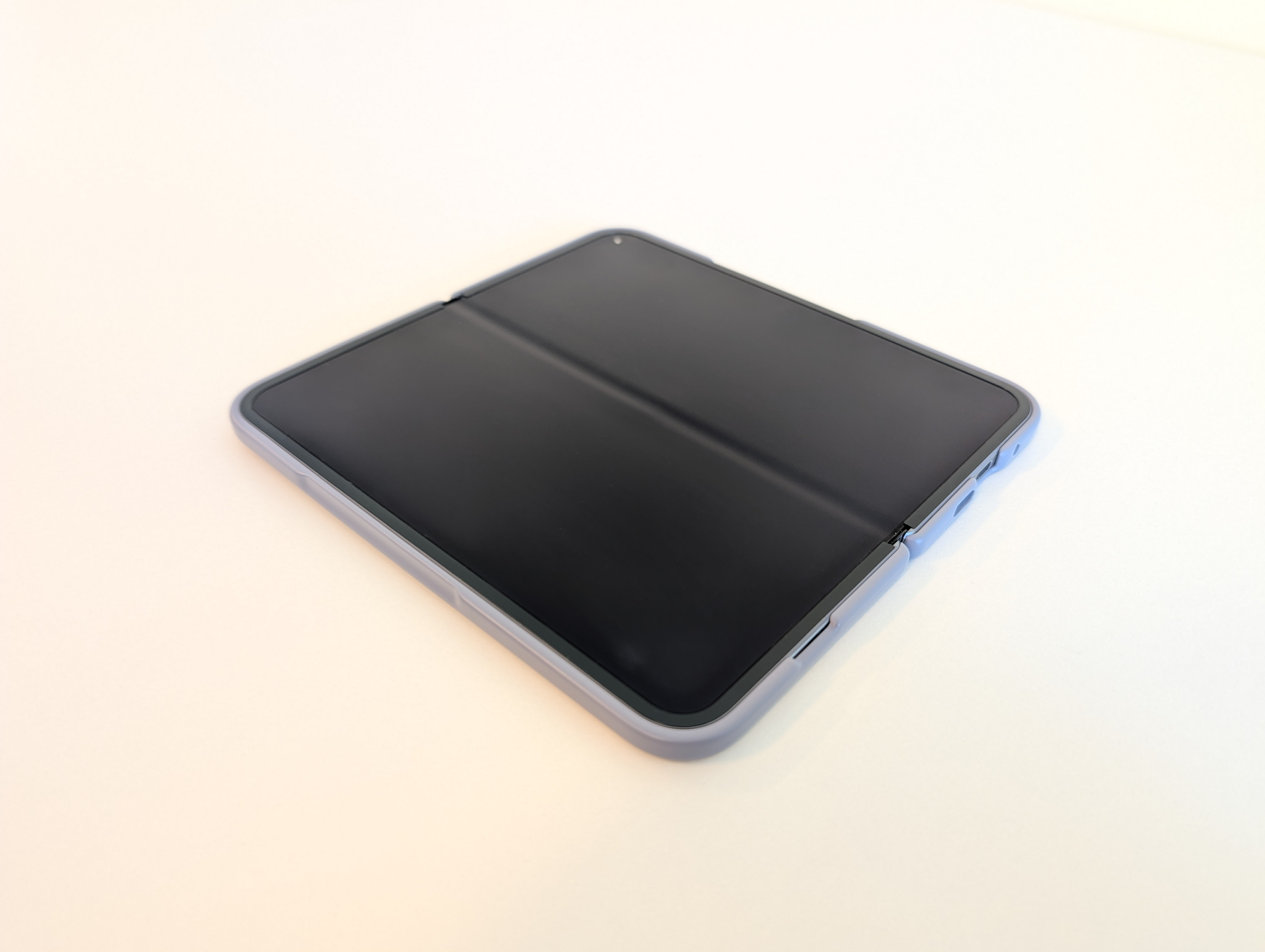
Google made good choices with the 6.4-inch external display. Despite what you might expect, this is still the display that will get the most use, so ease-of-use is important.
Refreshingly, the Pixel 10 Pro Fold’s external display has a familiar 20:9 aspect ratio. This is the same comfortable shape as Google’s single-screen Pixels and is pretty close to other premium single-screen phones like the Samsung Galaxy S25 Ultra and iPhone 17 Pro Max.
In contrast, the external displays of other foldables tend to be taller and narrower. It makes reaching the top of the screen with one hand frustrating. I count this as a bigger-than-you’d-think point in favour of the Pixel 10 Pro Fold.
As for performance, expect a smooth 120Hz experience no matter what display you’re using. And while none of them are technically as high-resolution as some other phones on the market, this is another one of those “on paper” things you’re unlikely to actually notice in real life.
Another potential concern is the much deeper folding screen crease than something like the Galaxy Z Fold 7, but I’d recommend keeping an open mind here. Some people will doubtless find it annoying vs. a less obvious one, but I stopped caring after about a week. And I’d personally take the Google hinge team’s focus on dust protection over crease reduction any day of the week.
Battery
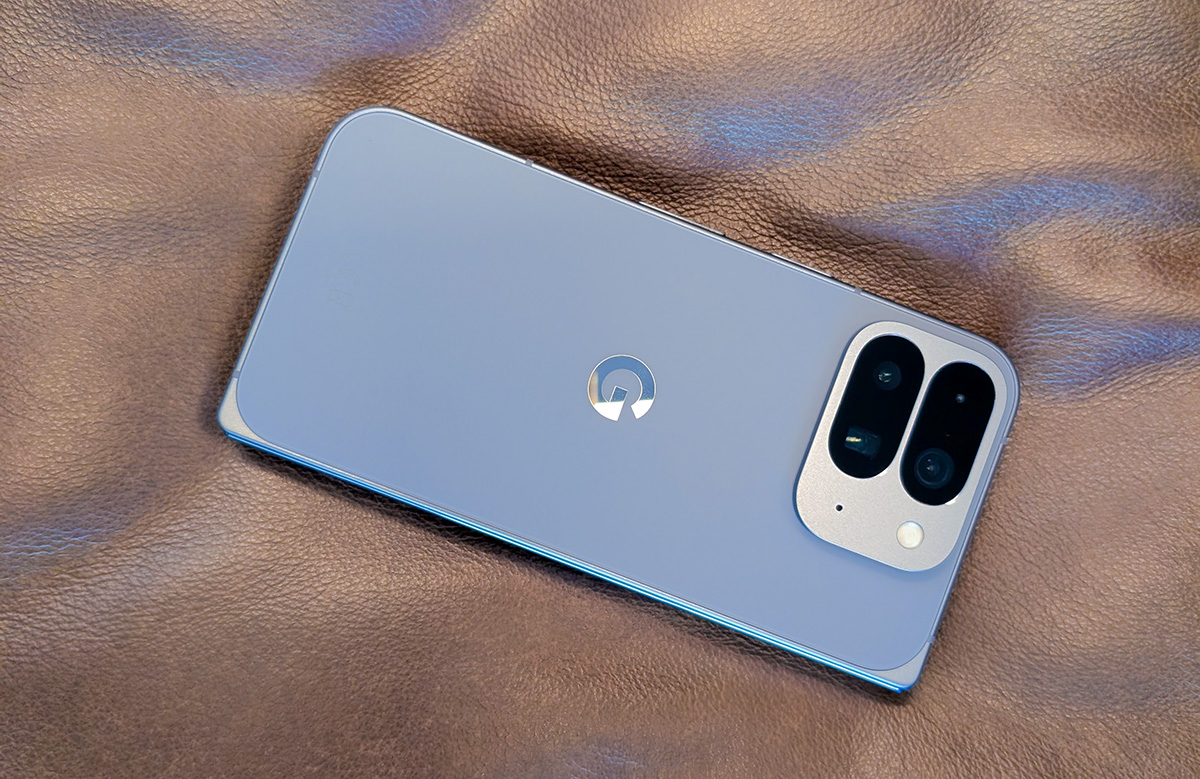
Battery life is fantastic. I threw an unhealthy amount of double-screen gaming and video streaming at the Pixel 10 Pro Fold, yet the closest it ever got to empty was 28%. With more realistic heavy usage, 40% was generally the norm. And with moderate-to-light use, you might even squeeze out a cheeky two days if you mostly use the external screen. This is fantastic for a foldable phone.
But the impressive battery life is, in large part, the reason this phone is so thick and heavy. Its 5,015mAh battery capacity is a good 14% higher than Samsung’s Z Fold 7 – more capacity means a physically bigger battery and I don’t think the trade-off is worth it. Unless you plan on using the Pixel 10 Pro Fold as a handheld gaming console (which it’s not), you’d be better served by a thinner, lighter phone that still lasts a full day.
The higher capacity also means it takes longer to fully charge, and boy, do you feel it. I’d assume it takes even longer if you make use of the Qi2 Wireless charging, but I’m not a fan, so I got rid of my wireless chargers a while back. In any case, this isn’t a phone for quick top-ups – make sure you plug it in each night.
Gaming and performance
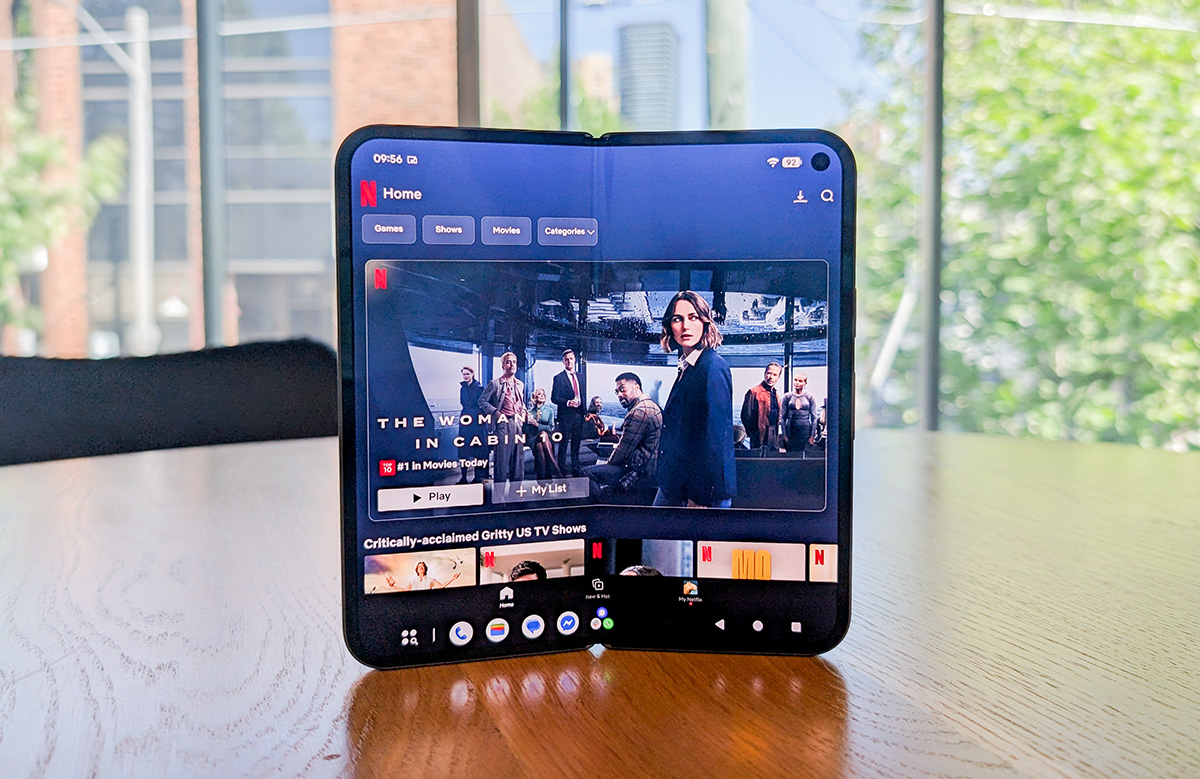
The Pixel 10 Pro Fold has received some criticism about its Tensor G5 chipset, which lacks the grunt of other premium-priced phones. But I was pleasantly surprised. For day-to-day activities, it was unerringly fast and smooth.
For gaming, it still held up well. The phone didn’t heat up uncomfortably and it handled most games well. A good yardstick is running Balatro ay maximum speed. It might not look like it from screenshots, but this game is a pig when it comes to processing power. I’ve seen it cause phones to enter safe mode due to overheating after about an hour of play, but at most, the Pixel 10 Pro Fold got a bit warm and never stuttered.

You might run into problems with some more demanding titles like Call of Duty Mobile or high-realism racing games. At the very least, I have it on good authority that Destiny: Rising isn’t great on Tensor G5, especially in the late game. But most people keep their mobile gaming a bit lighter than all that and as such I’m not sure the higher price tag of a faster chipset would be worth it.
Google Pixel 10 Pro Fold – Final Thoughts
As the company behind the Android operating system, Google is in a unique position to come up with new user experiences that progress foldables from niche to something more widely attractive. The rest of the Pixel lineup acts as a showcase for Android, so why aren’t we seeing it here?
Instead, the Pixel 10 Pro Fold feels like just another foldable, albeit one that seems to have a con for every pro. Ultimately, whether it comes out on top is about how much you value each point for and against.
It’s fast and smooth despite its weaker hardware, but there’s nothing particularly “Pixel” about the user experience or price tag. It has fantastic battery life, but you could sacrifice quite a bit to slim down the phone’s profile and weight – two of the main problems with this class of phone. It’s the first foldable to boast proper dust resistance, but it has a deep display crease. It has a sensible external screen aspect ratio, but despite this, the extra weight still makes it a bit ungainly to use one-handed. The magnetic Pixelsnap technology is super handy and compatible with Apple MagSafe… ok, this one’s just all positive.
For me, the real killer is the camera system, a con for which there is no counterpoint pro. The rear camera produces some nice pictures, but it’s not going to feel great when someone with a Pixel 10 Pro (which starts at $1,000 cheaper) is capturing superior pics and videos right next to you. Sure, it has a 5x lens and the Samsung Galaxy Z Fold 7 doesn’t, but I’d have much preferred to see a better main camera and no additional lenses.
As for the selfie cameras, they’re just not good enough. They’re almost unusable at night, but even during the day, there are minor problems with clarity and lighting. And while you can take a great selfie pic or vid with the rear camera while facing the external screen toward you, this is too awkward to be a go-to replacement.
If it weren’t for the cameras or if it were cheaper – as is the norm for Pixels – I’d rate the Pixel 10 Pro Fold equal to the Galaxy Z Fold 7. But it’s not, so I can’t.
If this were your first foldable, you’d probably be happy with it. It’s fast, smooth for anything except hardcore gaming, and overall inoffensive. But I’d prefer to spend my money on a thinner, lighter design with better cameras, which is why I’d opt for the Z Fold 7 instead.
Alex Angove-Plumb
Digital Content Editor

Related Articles


